Go to content

University of Fredericton

INTRODUCTION

Expanding Horizons: Rebranding University of Fredericton to Compete with Canada’s Best

The University of Fredericton (UFred) is a leading online education provider in Canada, offering flexible degree and certificate programs tailored to professionals seeking to advance their careers. Known for its innovative approach to online learning, UFred serves a broad audience of students and industry professionals across the country.

As part of their global expansion strategy, IU Group acquired UFred, following their successful acquisition and rebrand of a UK-based institution. With ambitions to position UFred as a top-tier Canadian university, IU Group sought a rebrand that would resonate deeply with UFred’s current students, attract prospective learners, and distinguish the institution within the competitive Canadian higher education landscape.

Our task was to craft a brand identity for UFred that encapsulates its established reputation, future ambitions, and commitment to accessible online learning.

Positioning UFred as a Leader in Canadian Higher Education

Guided by a data-driven approach, we began with in-depth research including interviews, focus groups, and competitive analysis. We created detailed profiles of UFred’s existing and prospective students, gaining insight into their decision-making criteria.

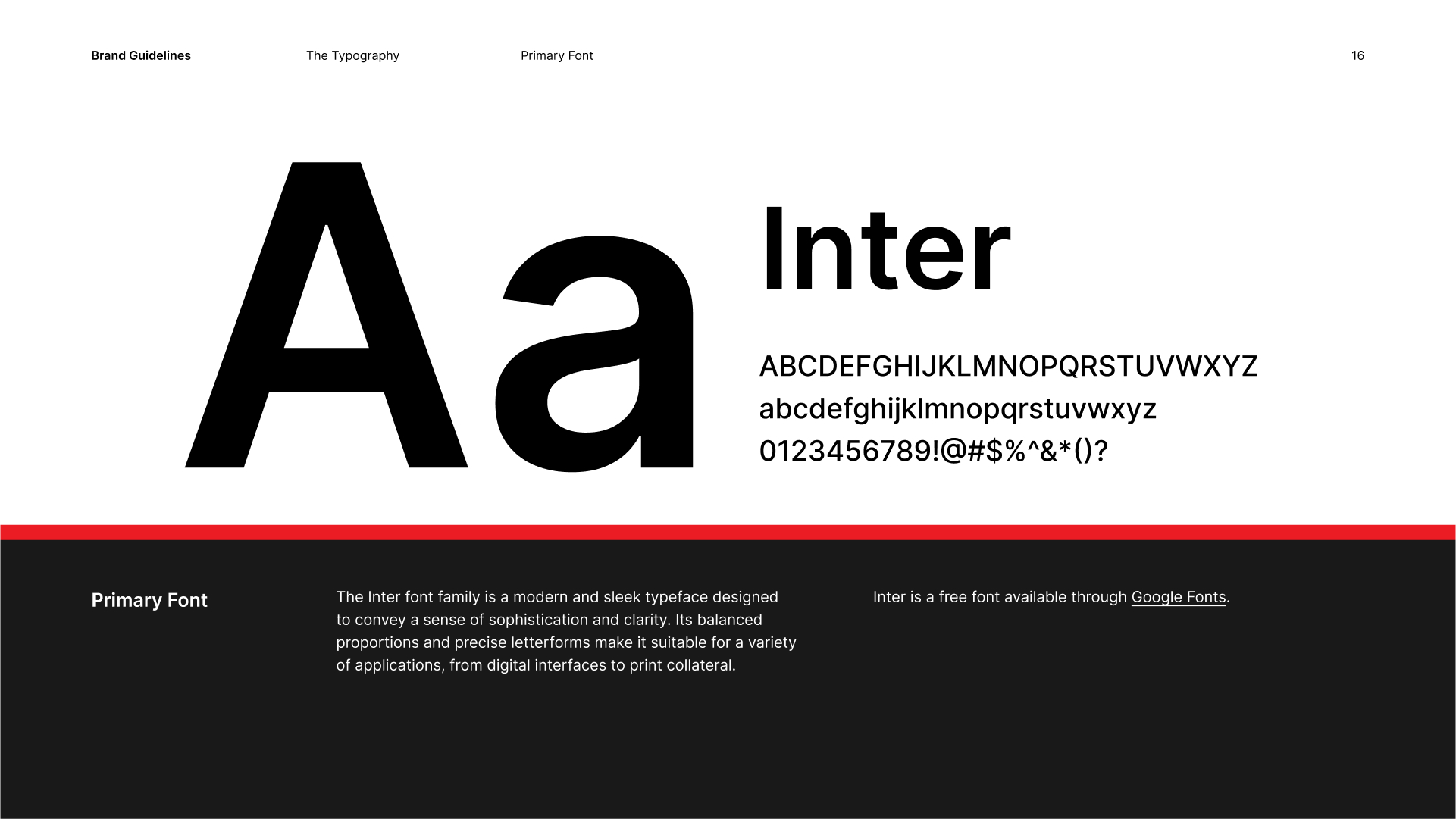
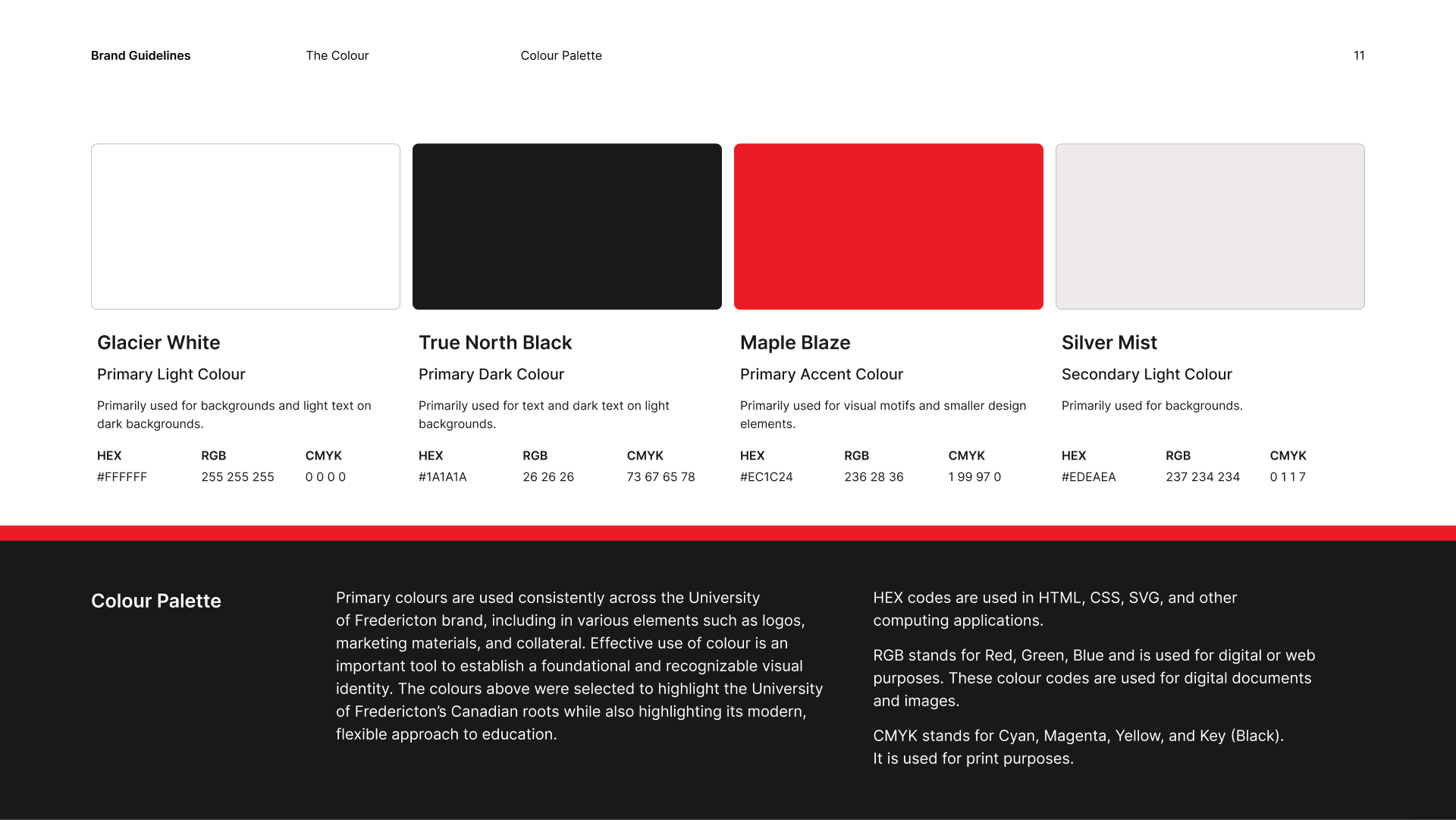
With these insights, we tested multiple brand elements, including names, logos, and creative directions. Through iterative refinement and feedback, we examined everything from logo shapes to color palettes and typography, even testing various homepage designs to see how each concept resonated with the target audience.


RESULTS

Data-Driven Branding: Crafting a Distinctly Canadian Identity for UFred

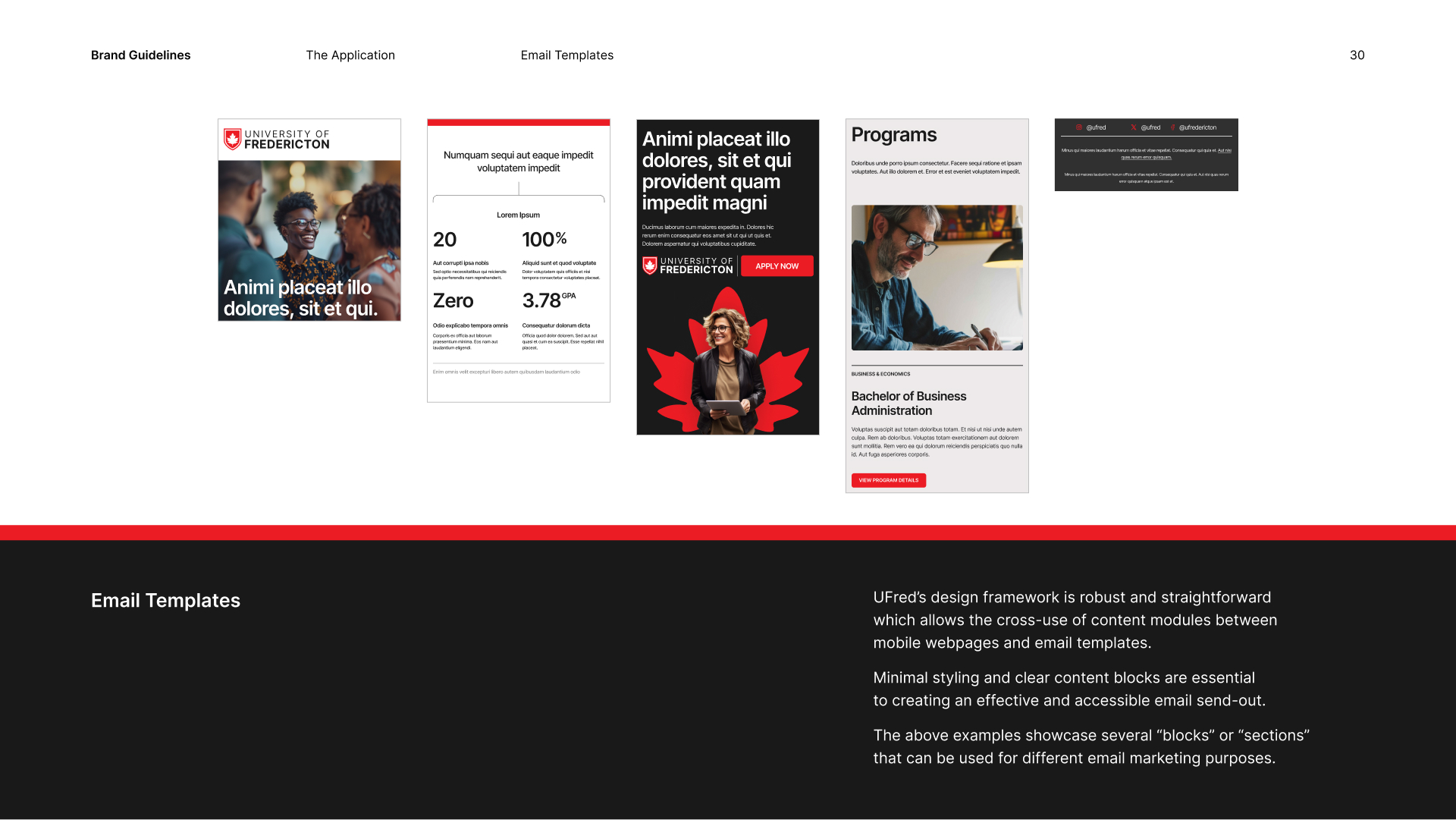
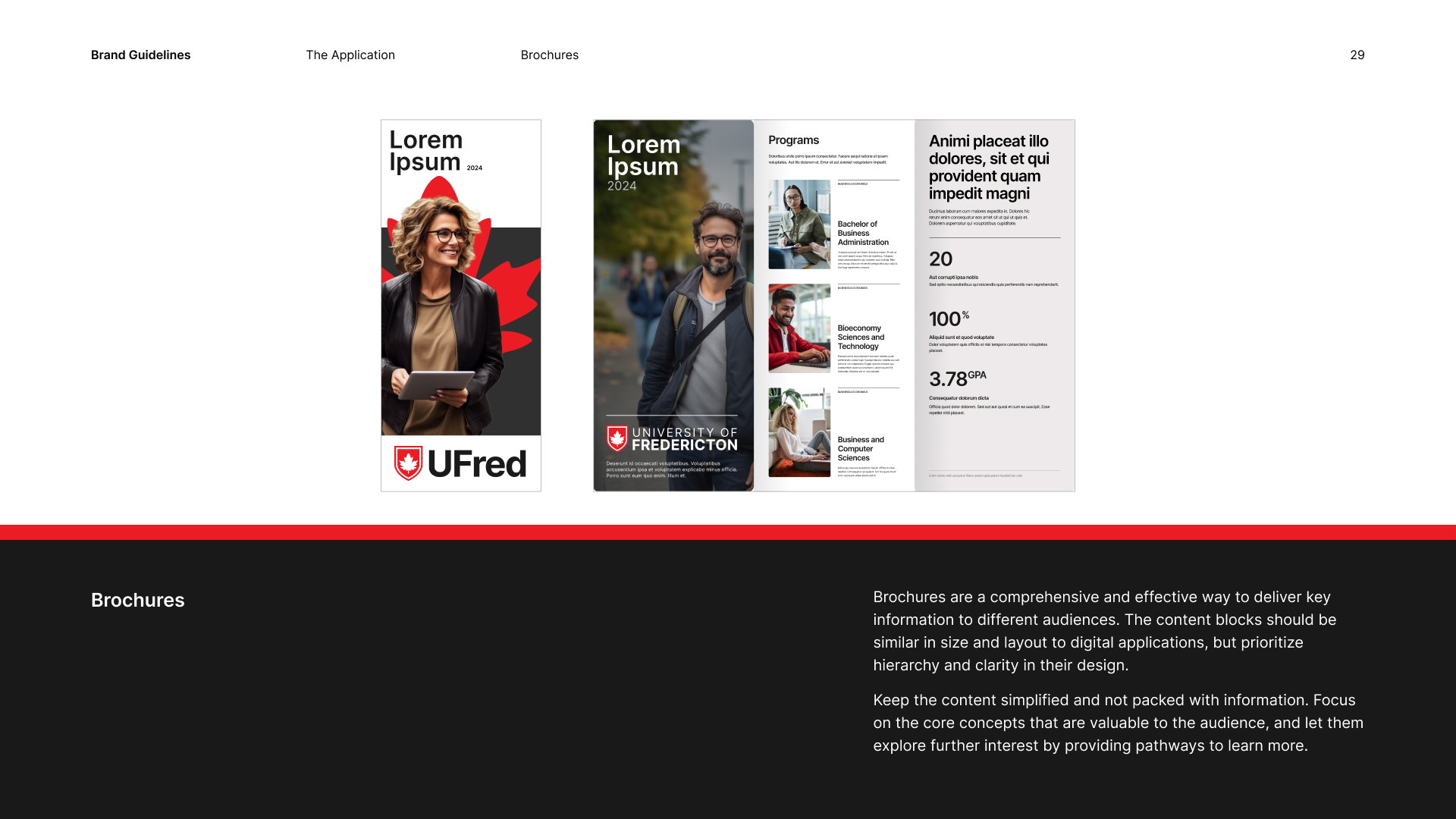
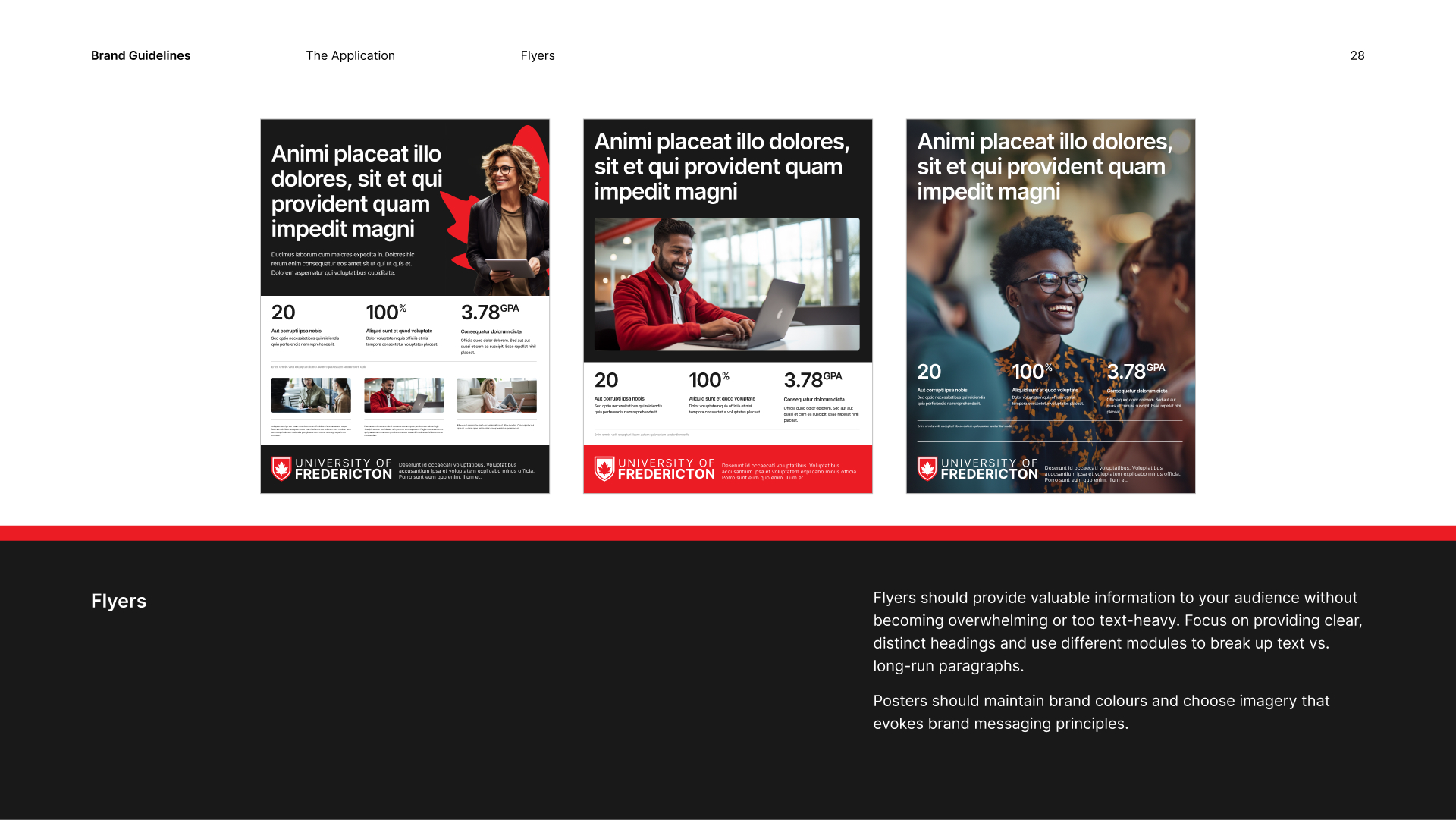
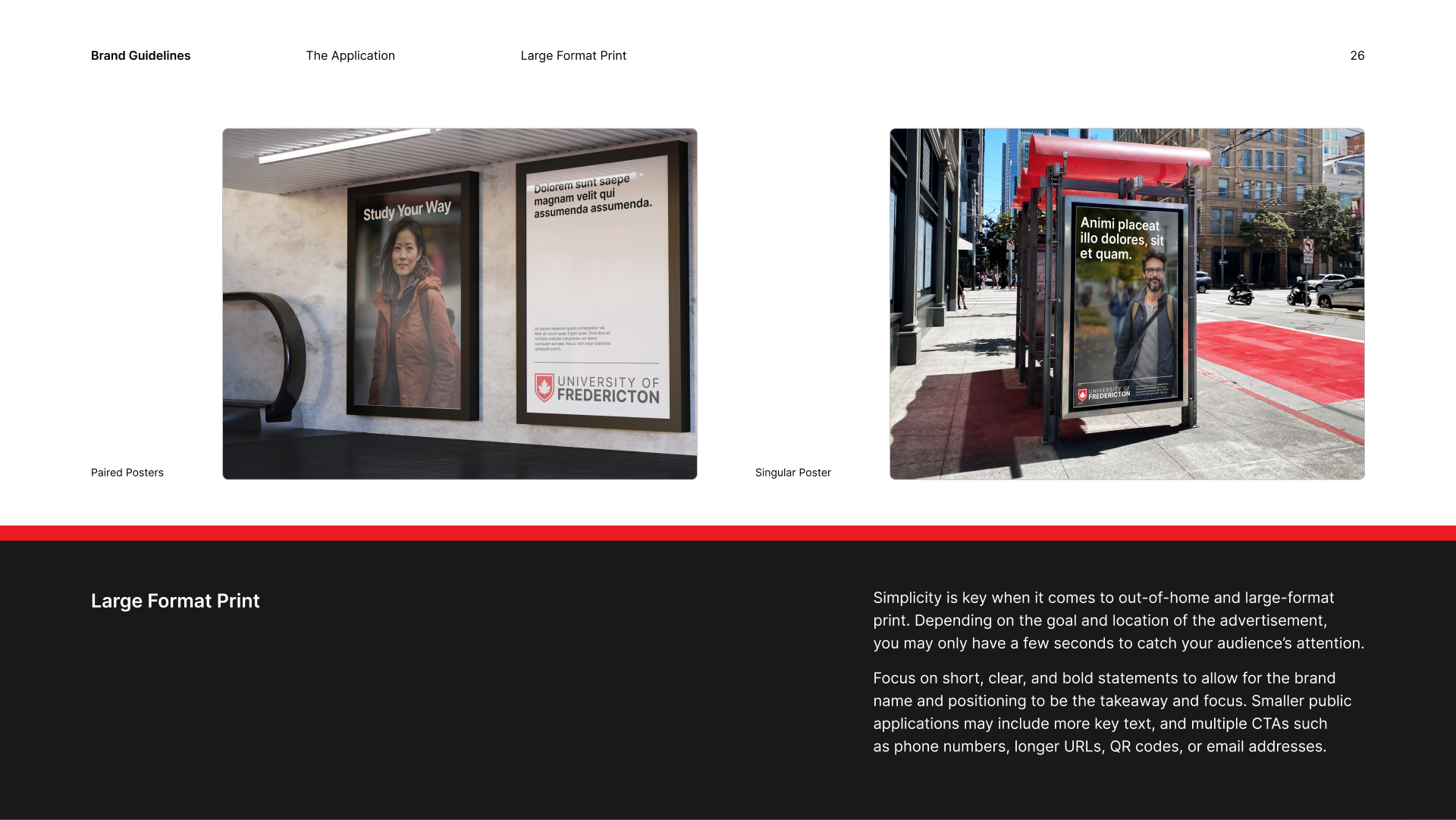
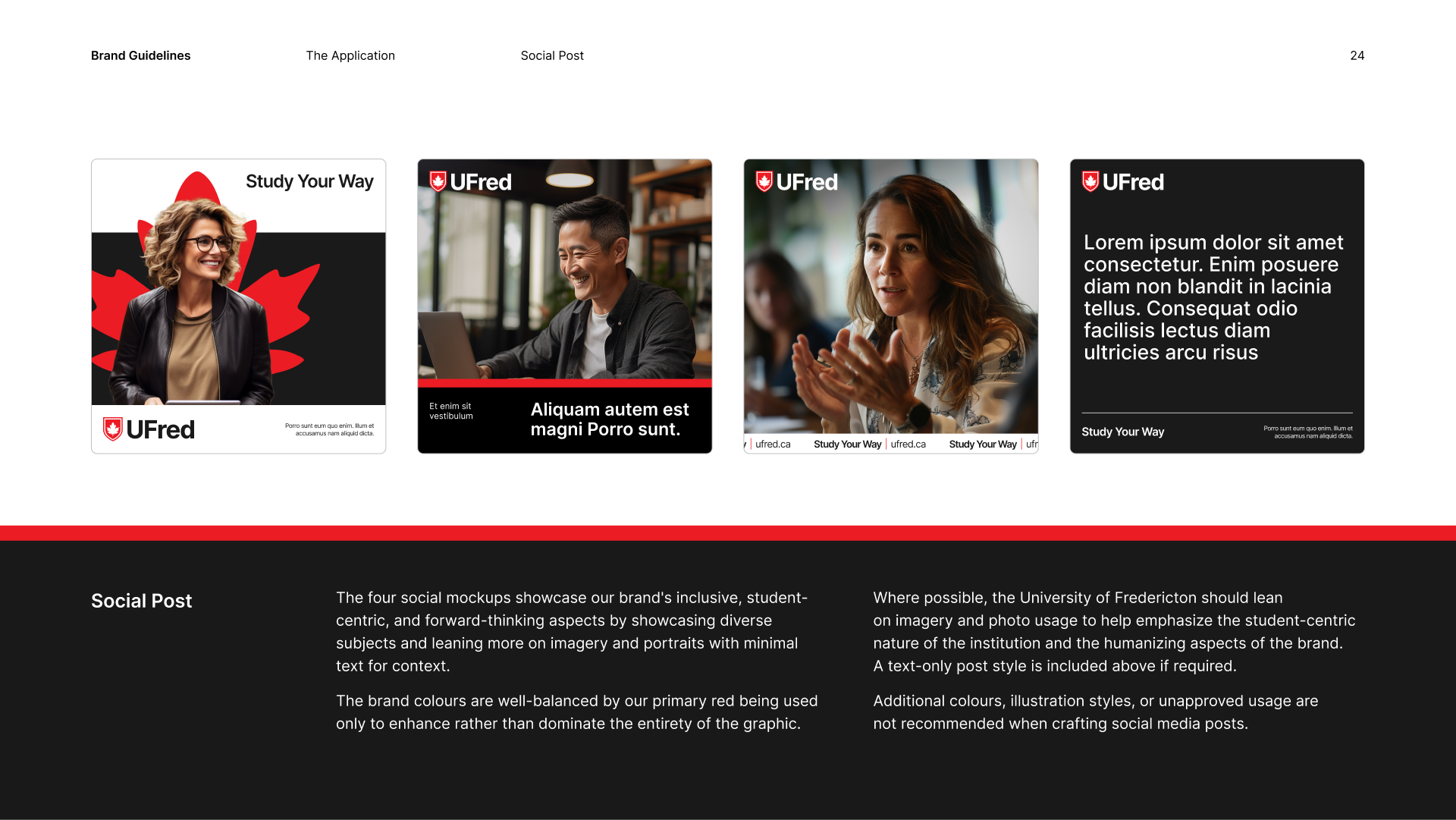
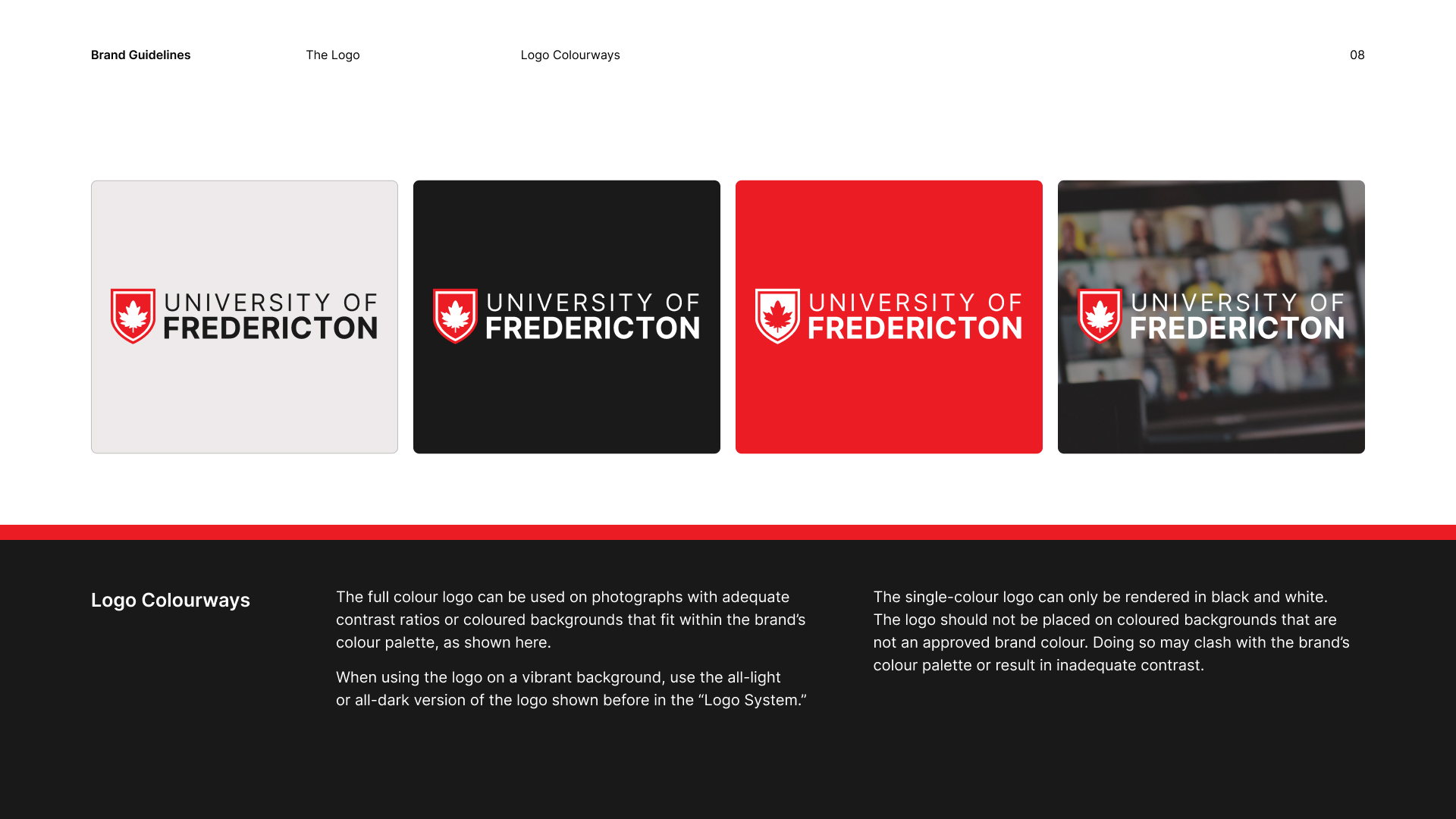
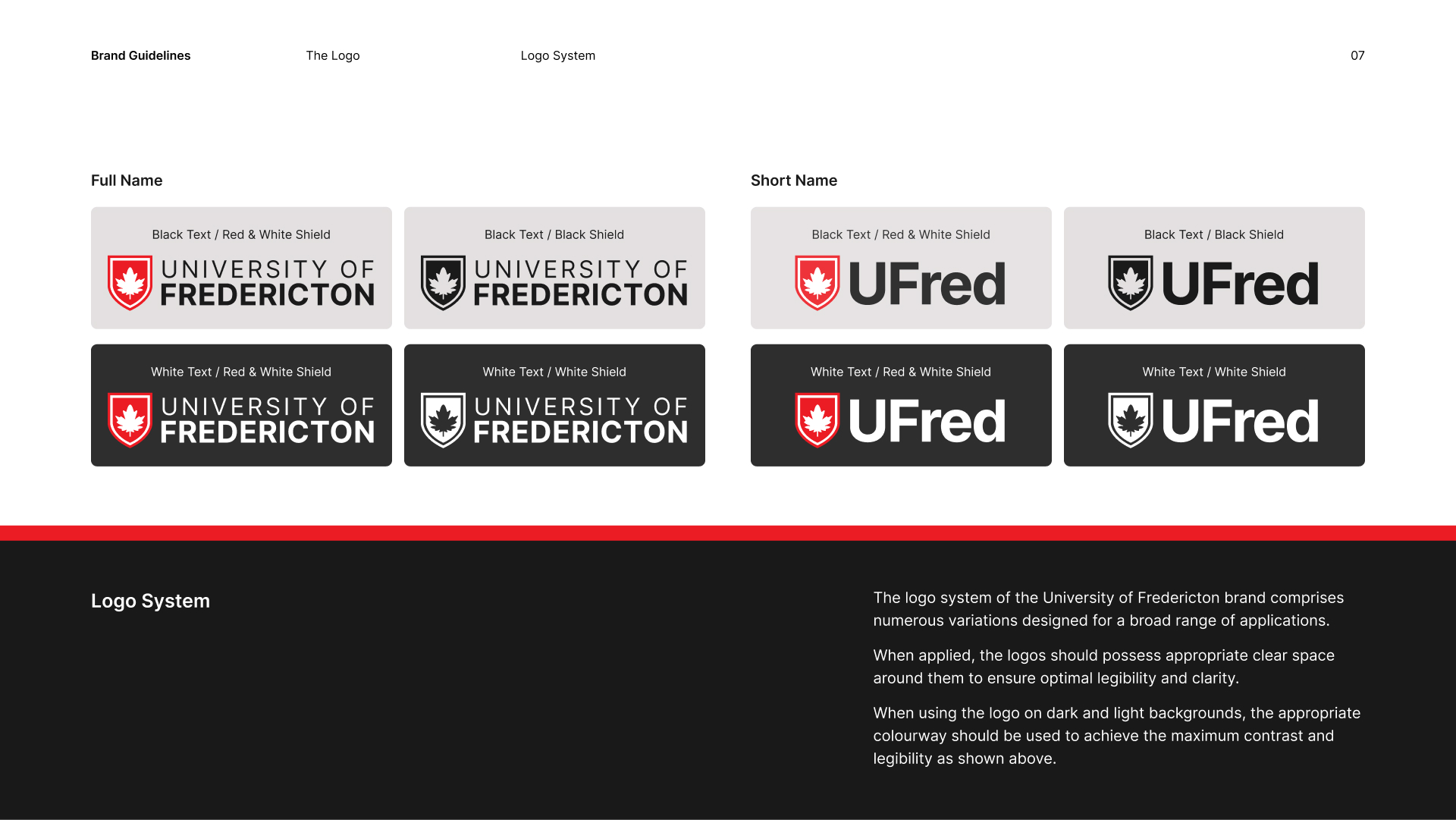
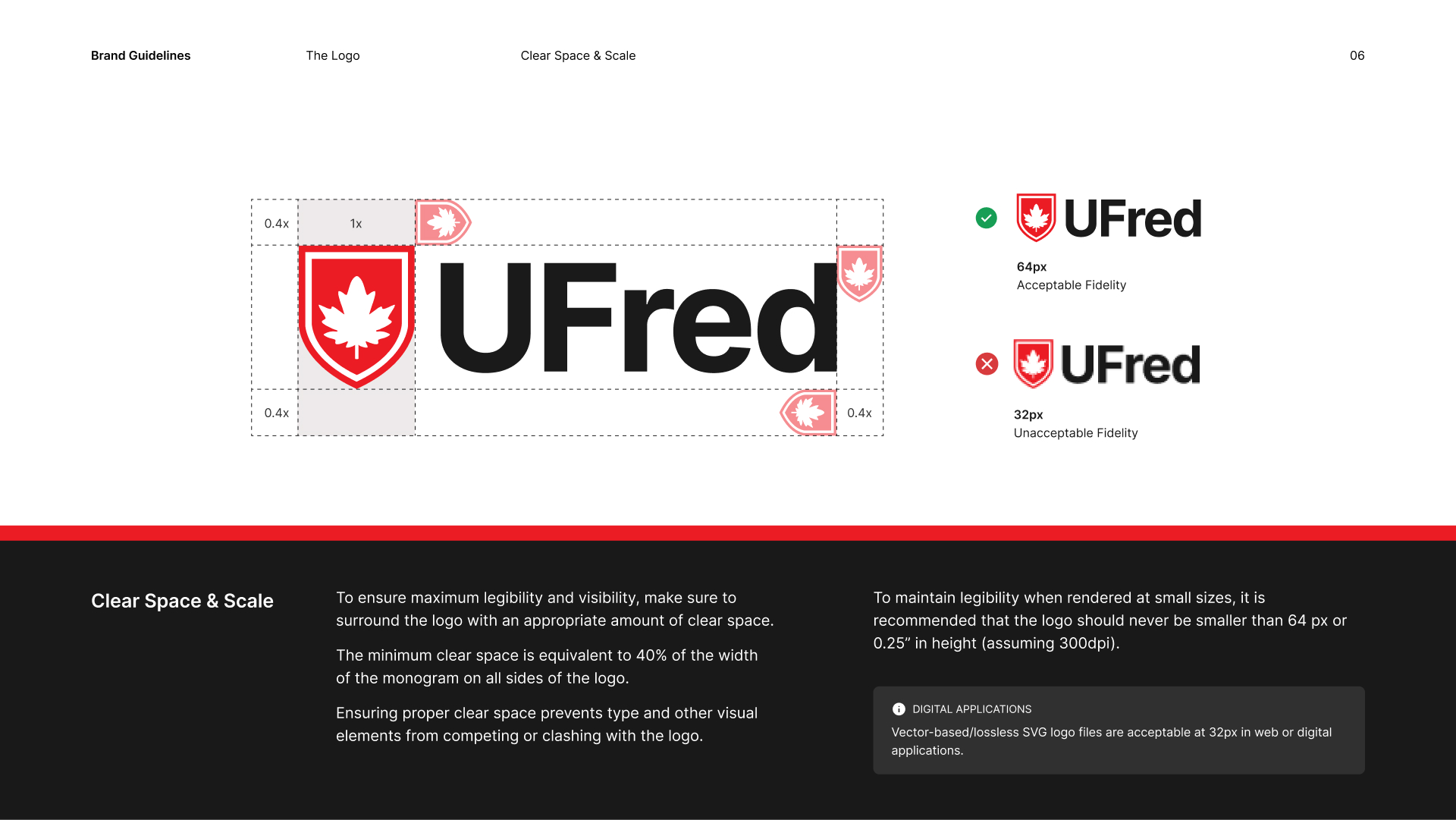
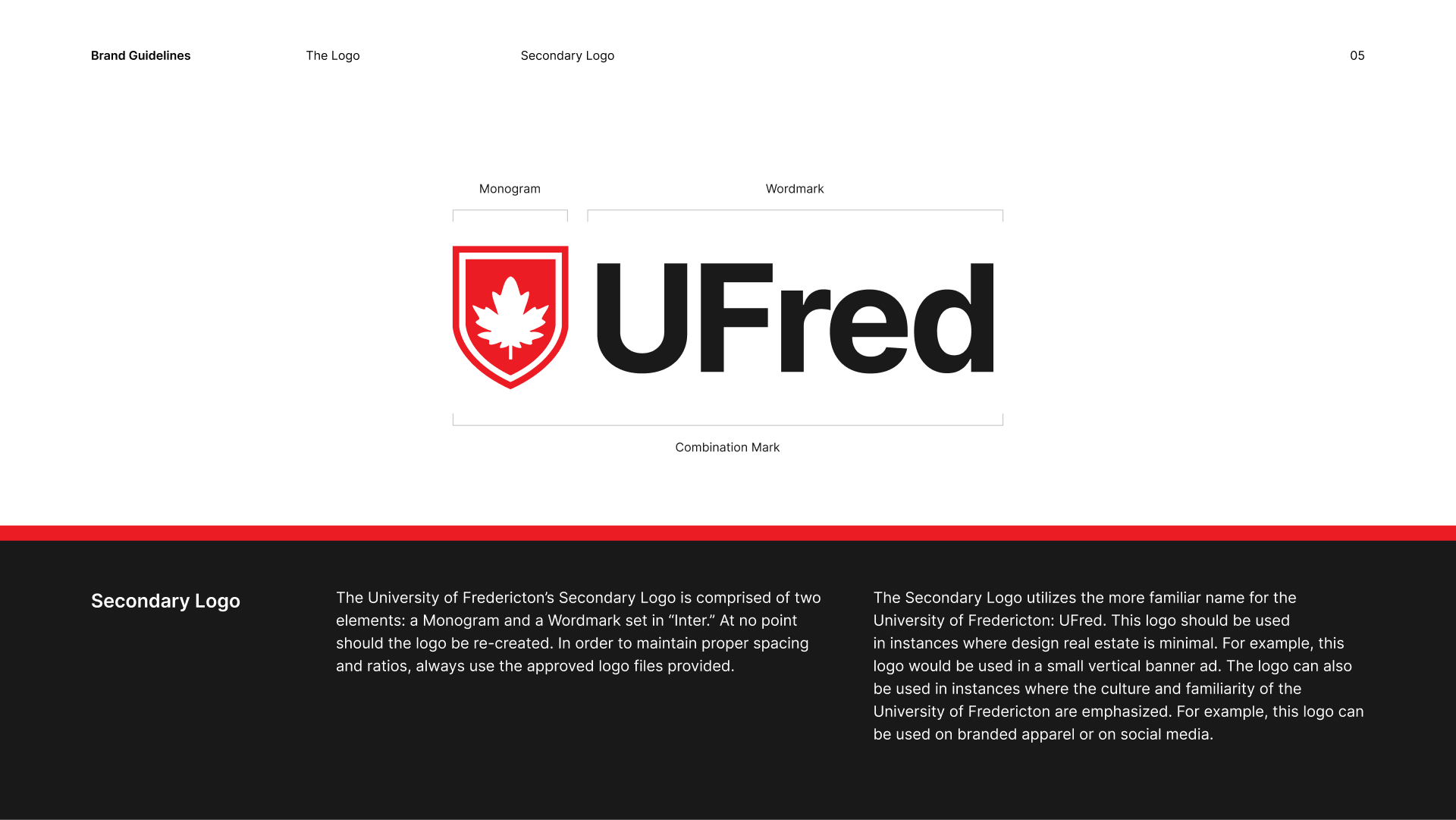
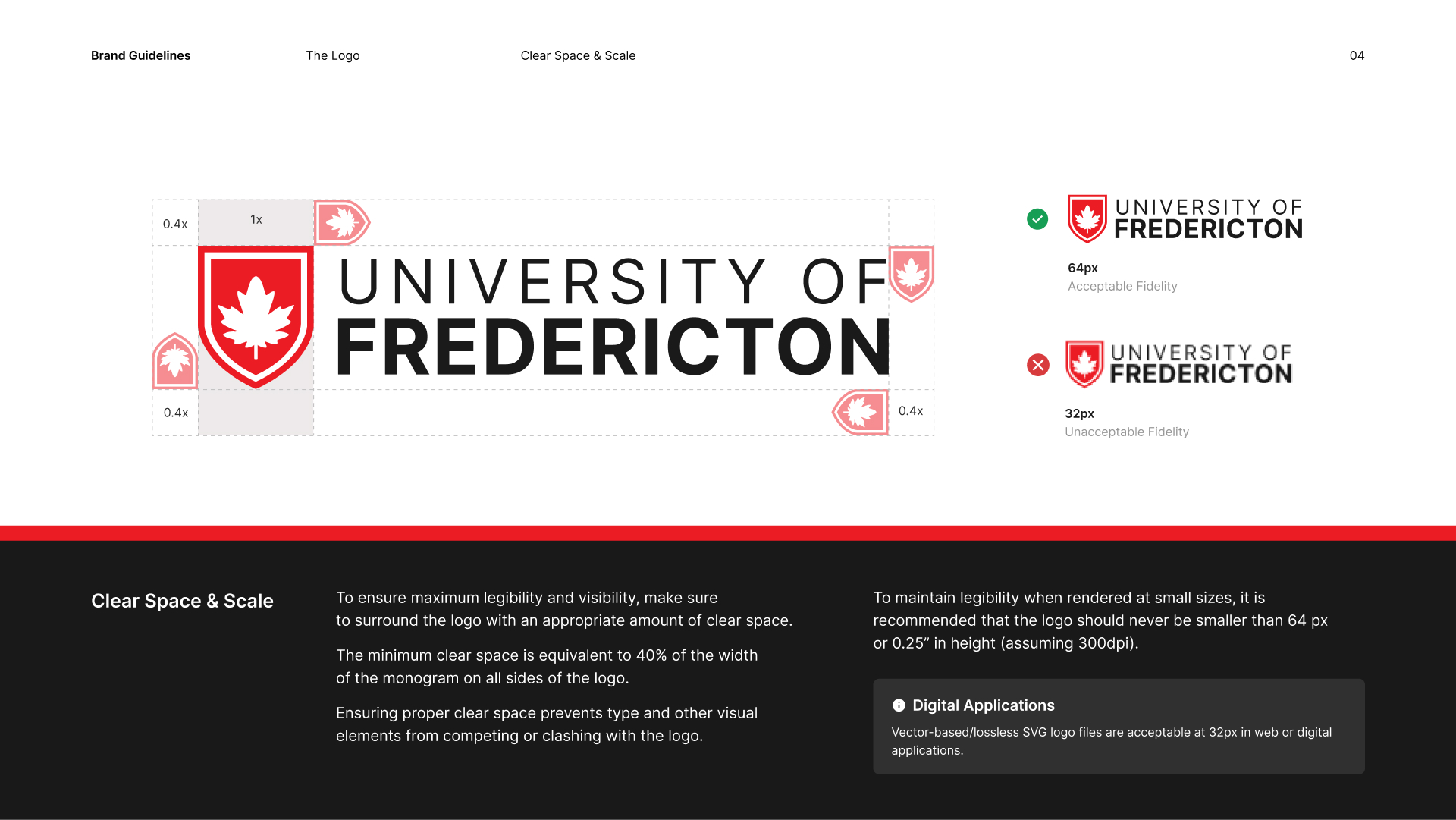
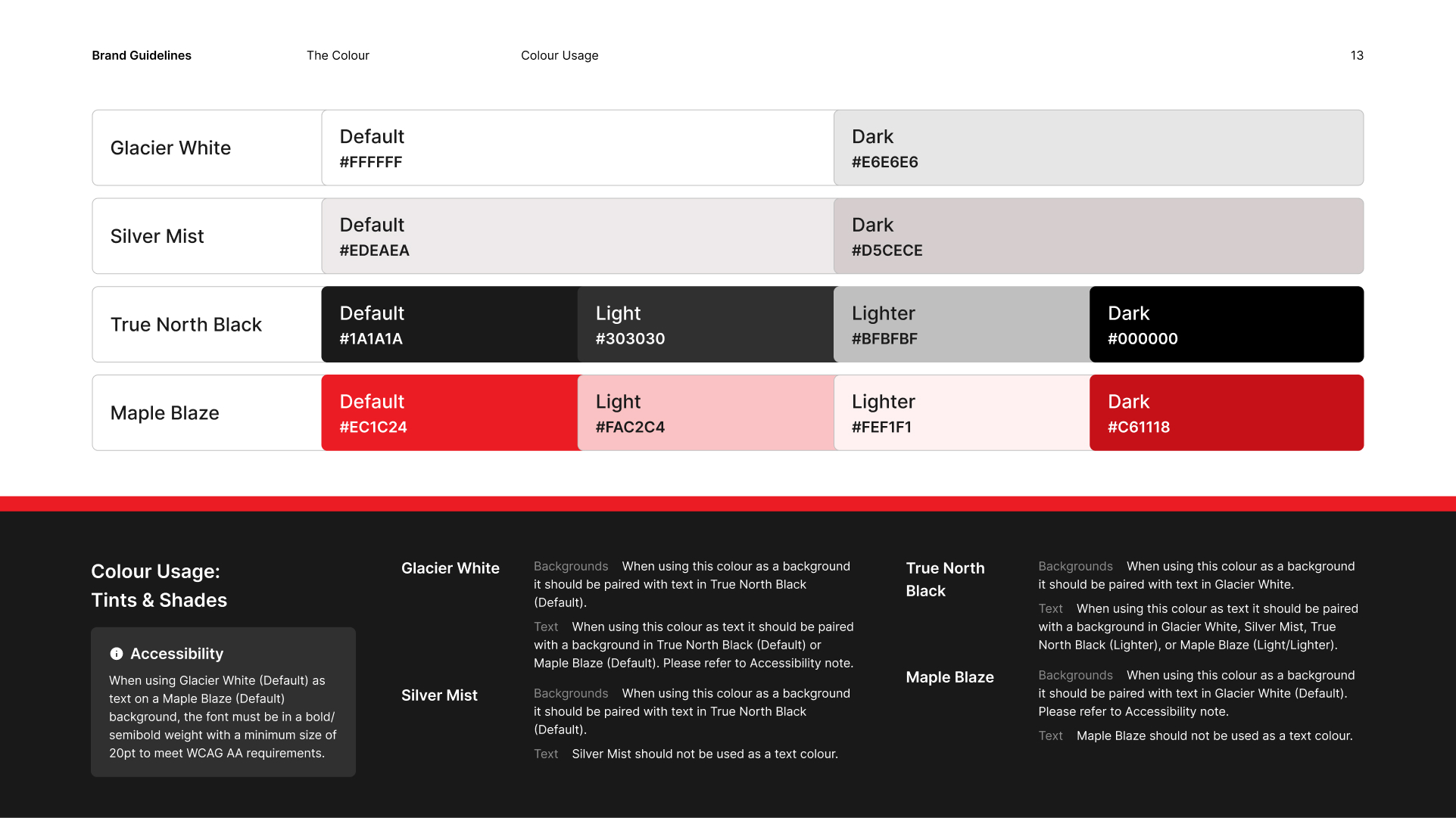
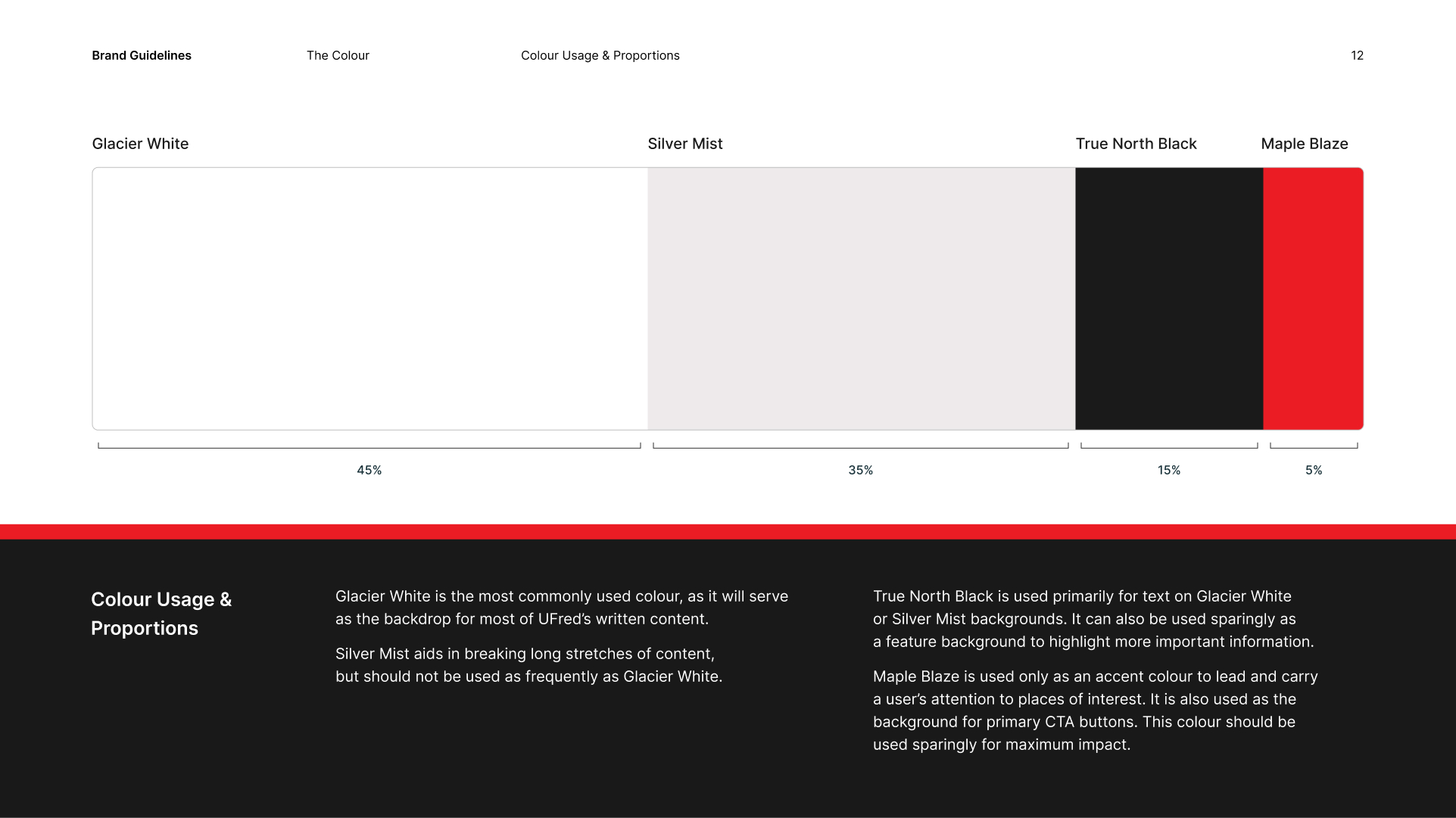
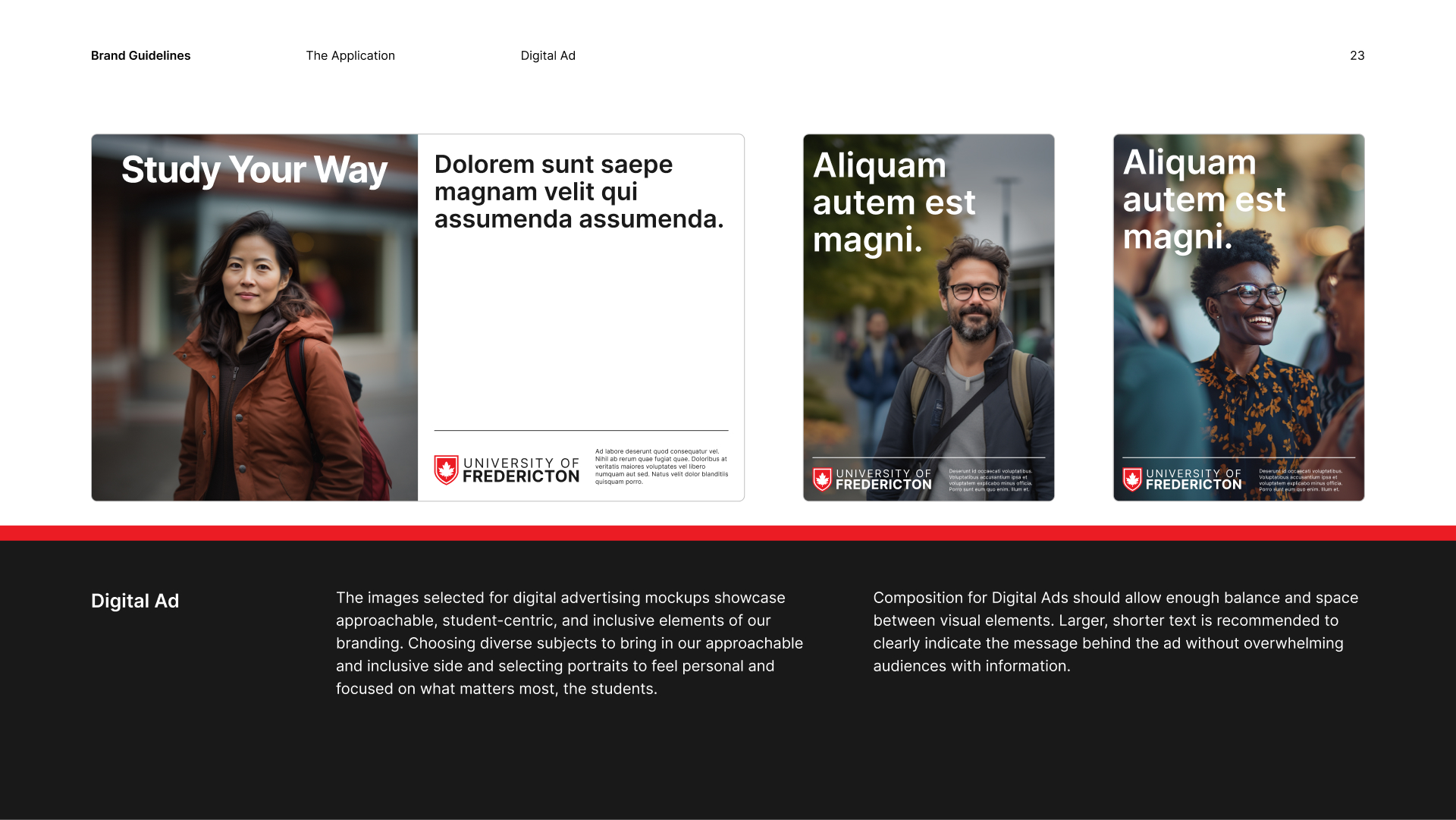
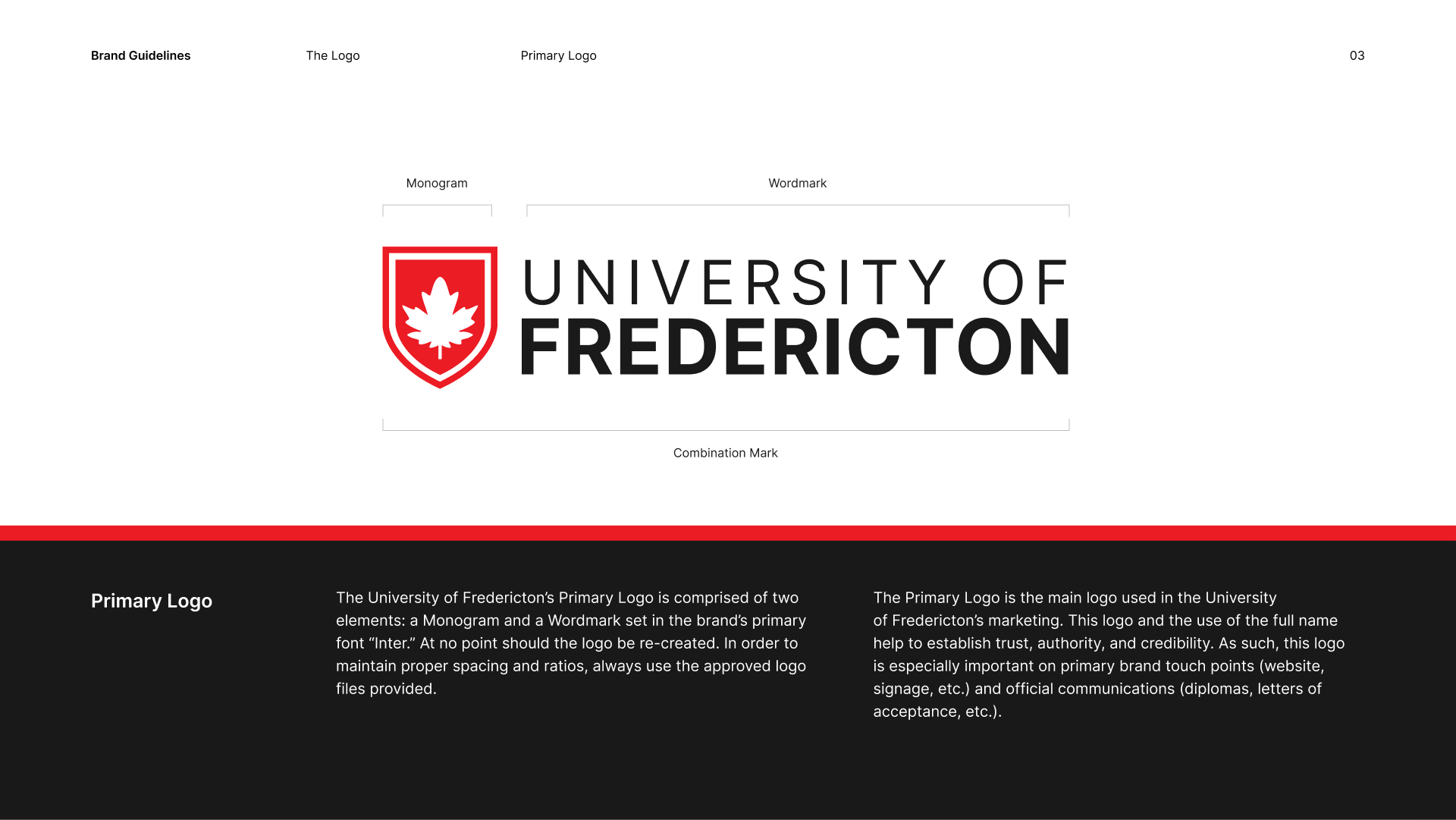
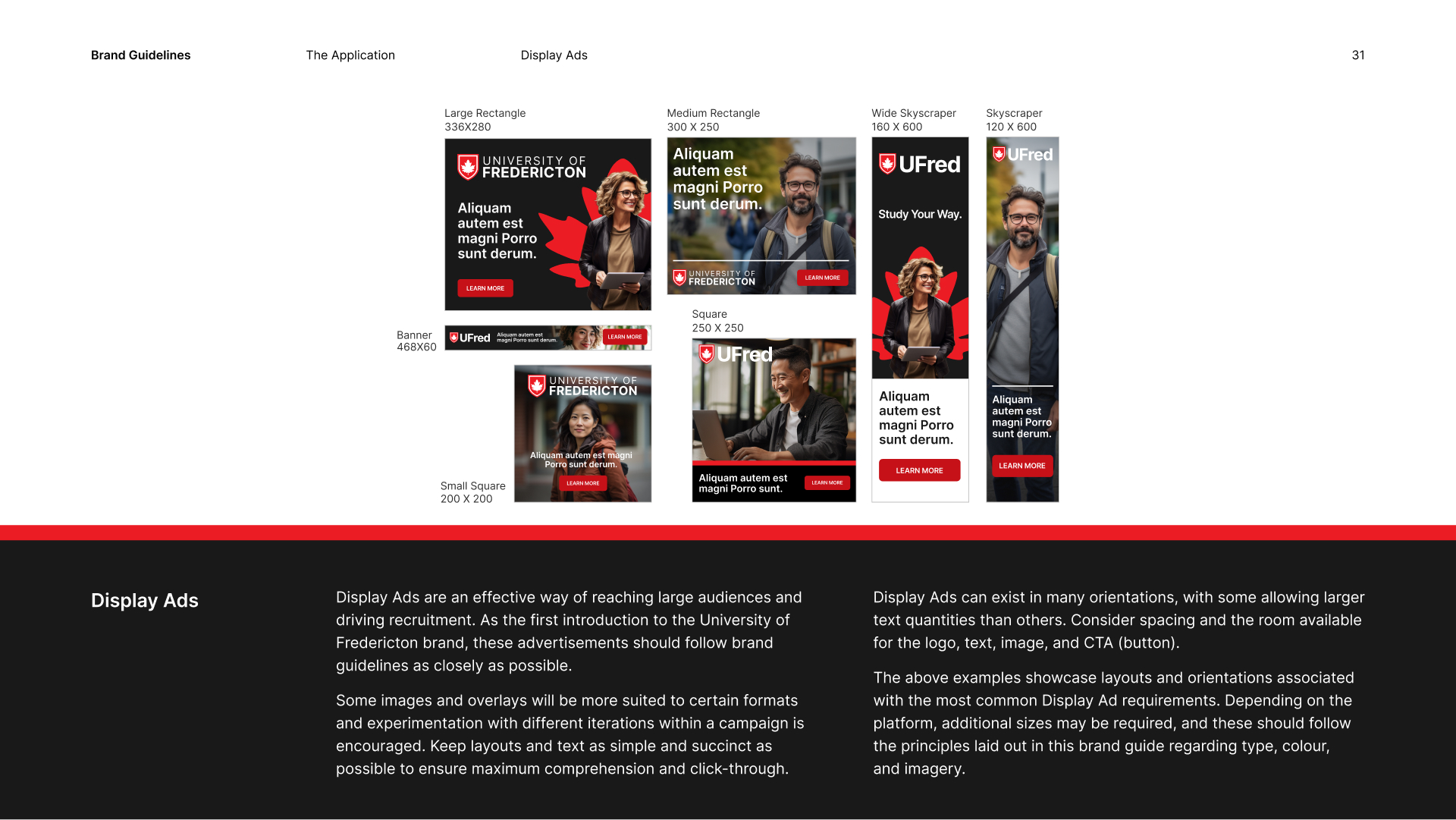
The final brand identity features a quintessentially Canadian logo, symbolizing UFred’s legacy, credibility, and commitment to accessible, quality education. We delivered a comprehensive brand guide, empowering UFred’s team to implement and maintain a consistent brand across all channels, ensuring their new identity supports the institution’s growth and impact in Canadian higher education.

Frequently Asked Questions

Common questions about education website projects, answered from experience.

How do you build an education brand that resonates with both students and institutional stakeholders?

Our approach to brand building in education depends on the role an institution plays in its ecosystem, its network of relationships, and the influences around it. For example, community-based education brands resonate most when they reflect the real lived experiences and views of students and staff. We compare how people inside and outside the institution perceive it, set a clear, culturally relevant position, and track progress as messaging and identity evolve.

On the other end of the spectrum, for pioneering or future-defining institutions, brand strategy is more future-facing and directional, setting a path forward based on a distinctive vision. In these cases, we typically opt to lead with vision and belief, using research to test clarity and credibility.

How does change management begin before a brand rollout phase?

Most institutions treat change management as a rollout problem: something to plan for once the brand is finished. We treat it as something that begins on day one, in the first discovery conversation.

When we interview a faculty member, a staff leader, or an alumni representative, we’re not just collecting data. We’re planting a seed. The questions we ask signal that their perspective matters to the institution’s becoming. The process of being heard creates early investment in the outcome, before anything has been named, designed, or decided. The people who were in the room during discovery are the ones most likely to recognize themselves in the strategy when it’s revealed and to carry it forward with conviction.

How will you bring faculty, staff, and alumni along without slowing momentum?

We build internal support by co-creating the brand architecture rather than just presenting it unilaterally.

Architecture-led engagement means faculty and staff aren’t reviewing the brand at the end. They’re actively helping shape the rules that govern its operation. The institutional spine (e.g., position, proof pillars, message hierarchy) never changes. But the flex zones, such as sub-brand rules and decision-context translations, are co-authored by the specific in-house individuals who need to carry them out.

This builds support without slowing momentum because the work is structured around artifacts. Workshops produce brand spine drafts, flex rules, and exemplars, not open-ended feedback sessions. Faculty and staff help author the flex rules, so the position is carryable from day one. Broader community stakeholders pulse-test for clarity and credibility, not preference.

The system holds without constant central policing through a guardianship model: a Brand Advocacy Team that functions as an internal agency, a hub network of designated champions within faculties and units, and an enablement rhythm of onboarding, working sessions, and office hours that keeps the brand alive after the engagement ends.

How do you ensure faculty and decentralized units actually adopt a new brand rather than ignoring it or working around it?

Adoption doesn’t come from enforcement. It comes from architecture. The institutions that sustain brand consistency over time aren’t the ones with the strictest policing; they’re the ones where the brand system is easy to use, the rules are clear, and people feel like they helped build it.

The structural answer to the decentralization problem is a hub network: the central brand team holds the spine, faculty champions localize the expression. This works because it distributes responsibility without distributing authority over the core position.

Three conditions make adoption durable. Co-authorship during development: faculty and unit representatives who participated in shaping the flex rules feel a sense of ownership of the outcome. Tiered tools that meet people where they are: a communications professional and a faculty researcher have completely different relationships with brand, and one toolkit that tries to serve both usually serves neither. And a clear answer to “what do I do when I’m not sure”: the most common reason brand systems drift is that people default to old habits when the new system doesn’t give them a fast answer. The escalation path needs to be built and communicated from day one.

RELATED PROJECTS

VIEW ALL CASE STUDIES