PearTree Canada
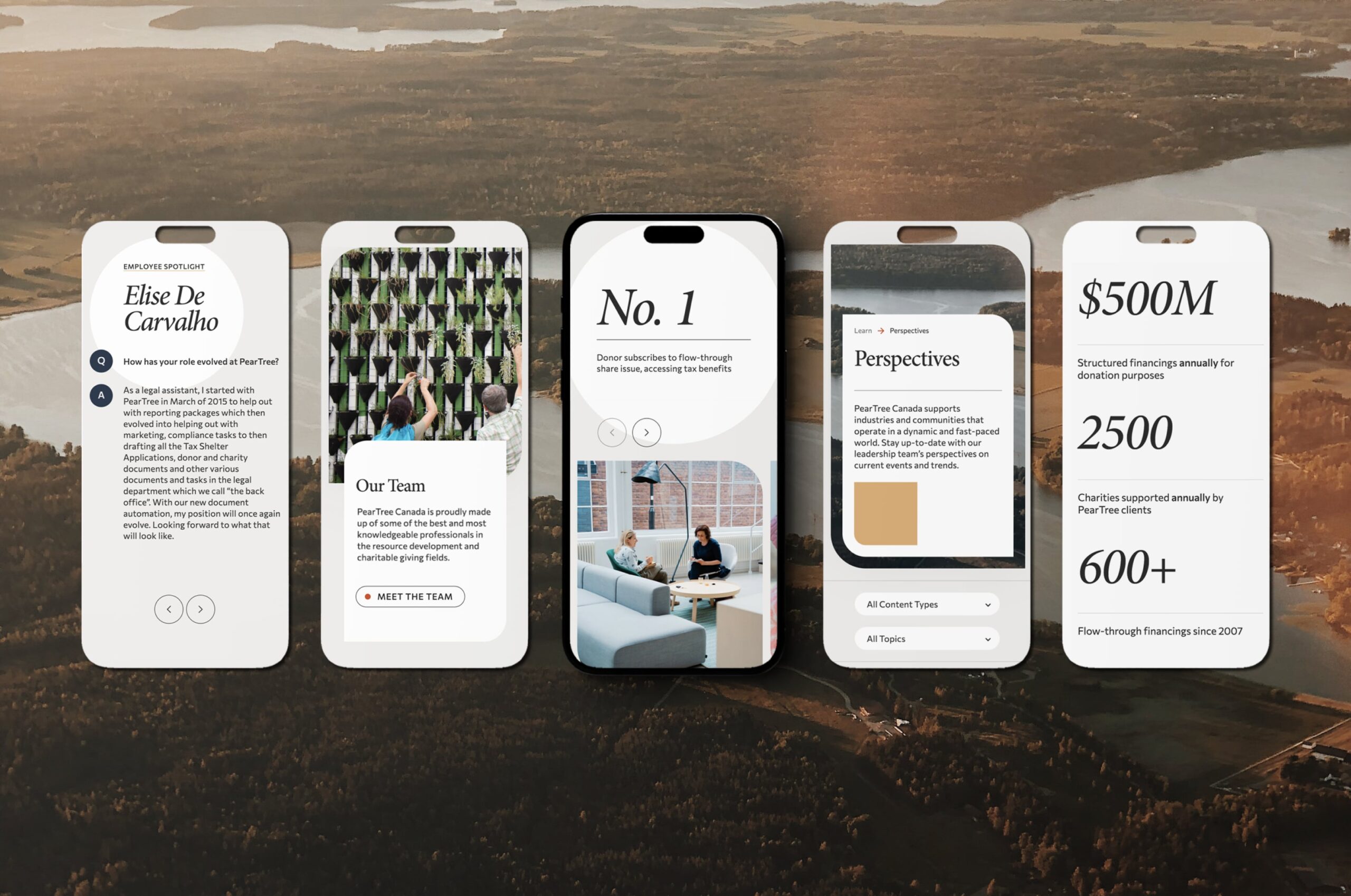


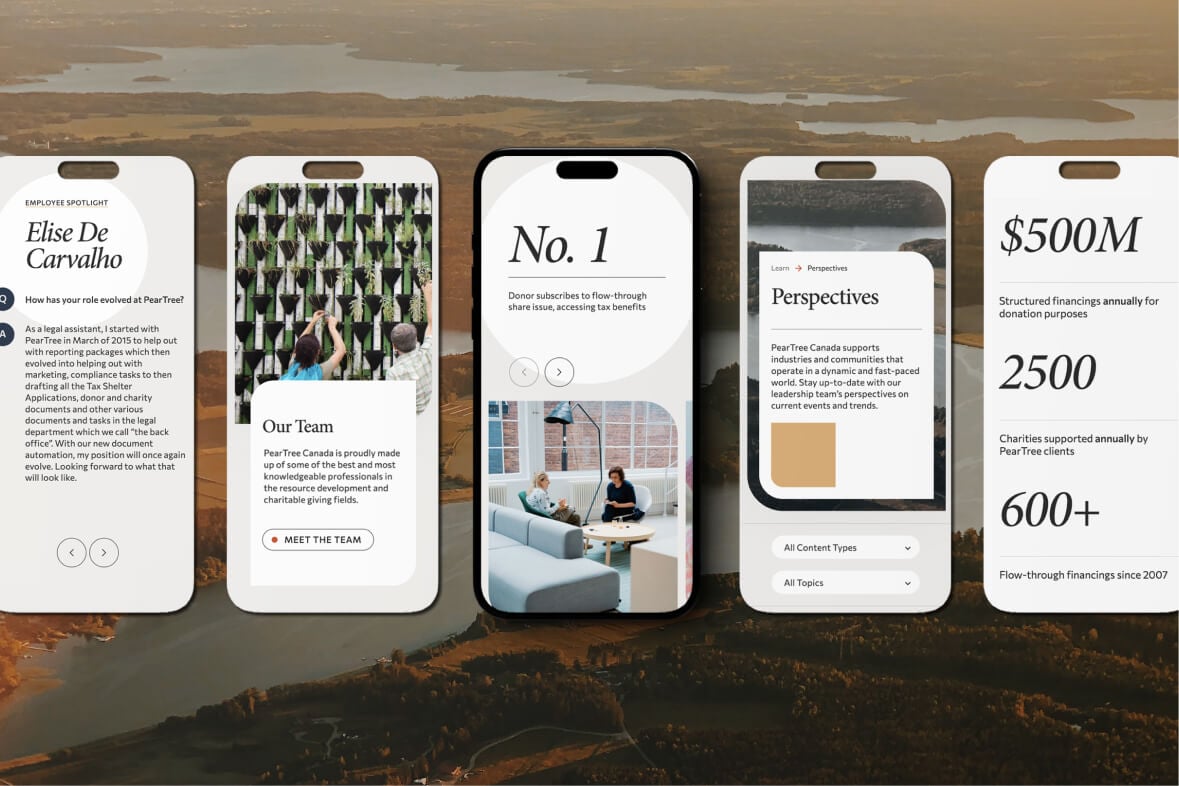
Takt and PearTree Canada join forces to elevate their brand and digital presence, helping them further their mission of making philanthropy more accessible and impactful.

Bridging Access + Opportunity: Elevating PaySpyre’s Digital Presence
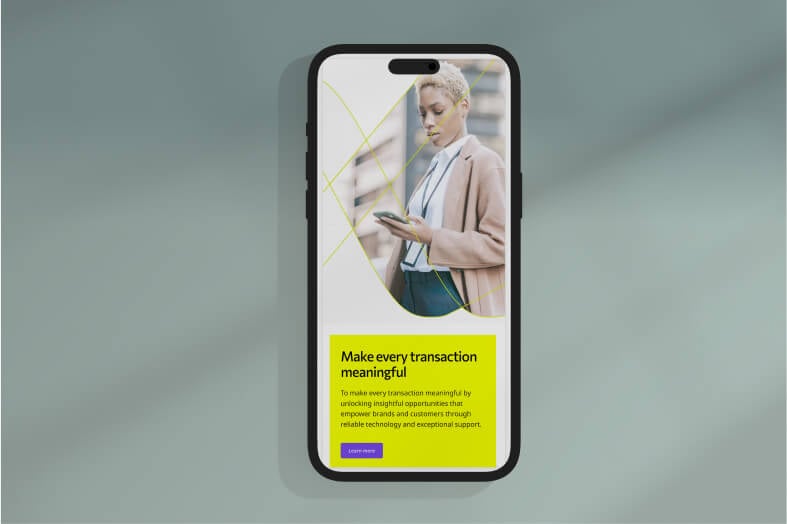
PaySpyre is on a mission to revolutionize consumer financing, starting with the healthcare sector and expanding to other industries where access to products, services, and care is crucial. As a longtime client, PaySpyre returned to us with a clear vision: create a digital experience that reflects their innovative platform while resonating with both consumers seeking financing and businesses looking to offer accessible payment options.
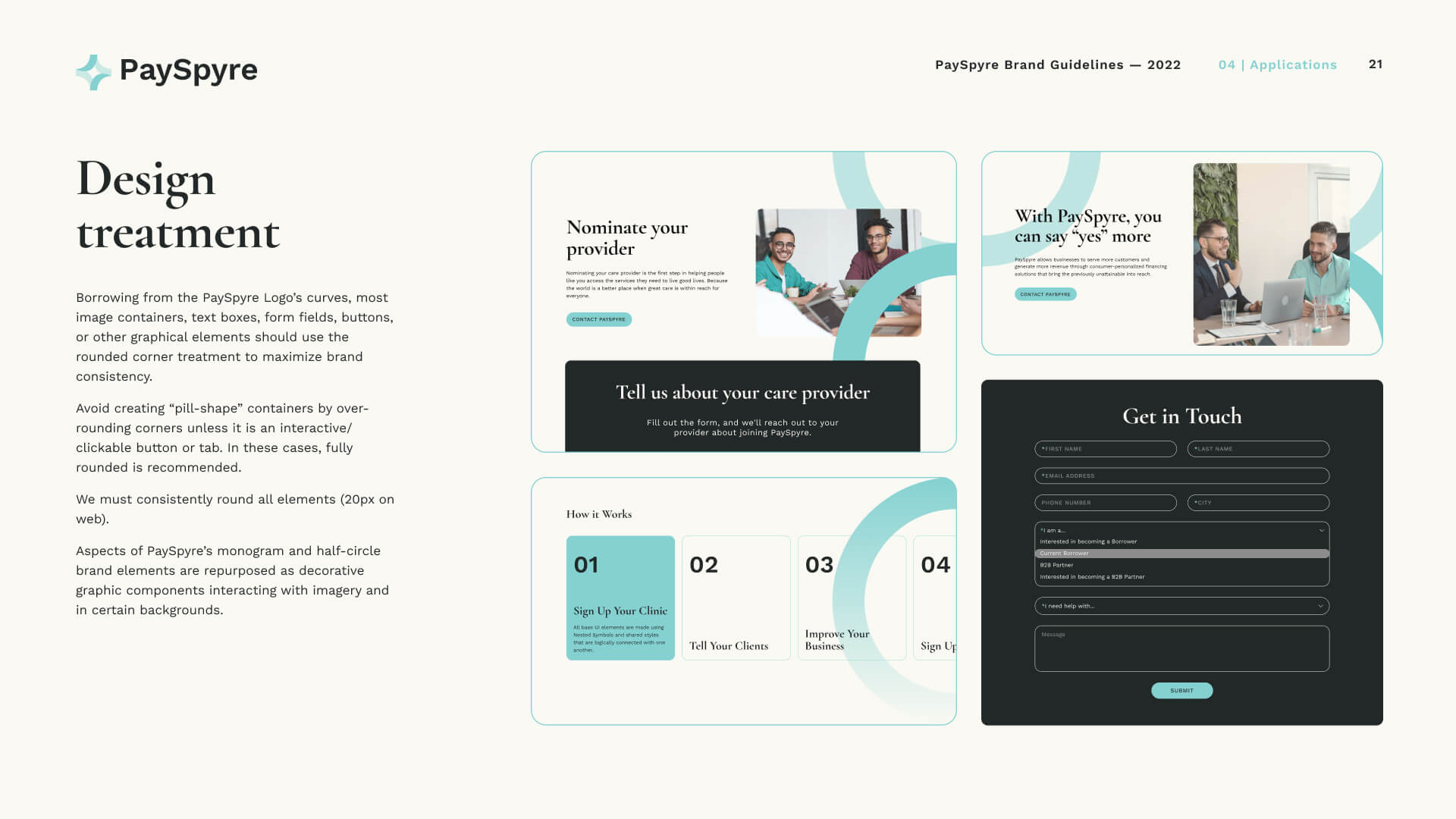
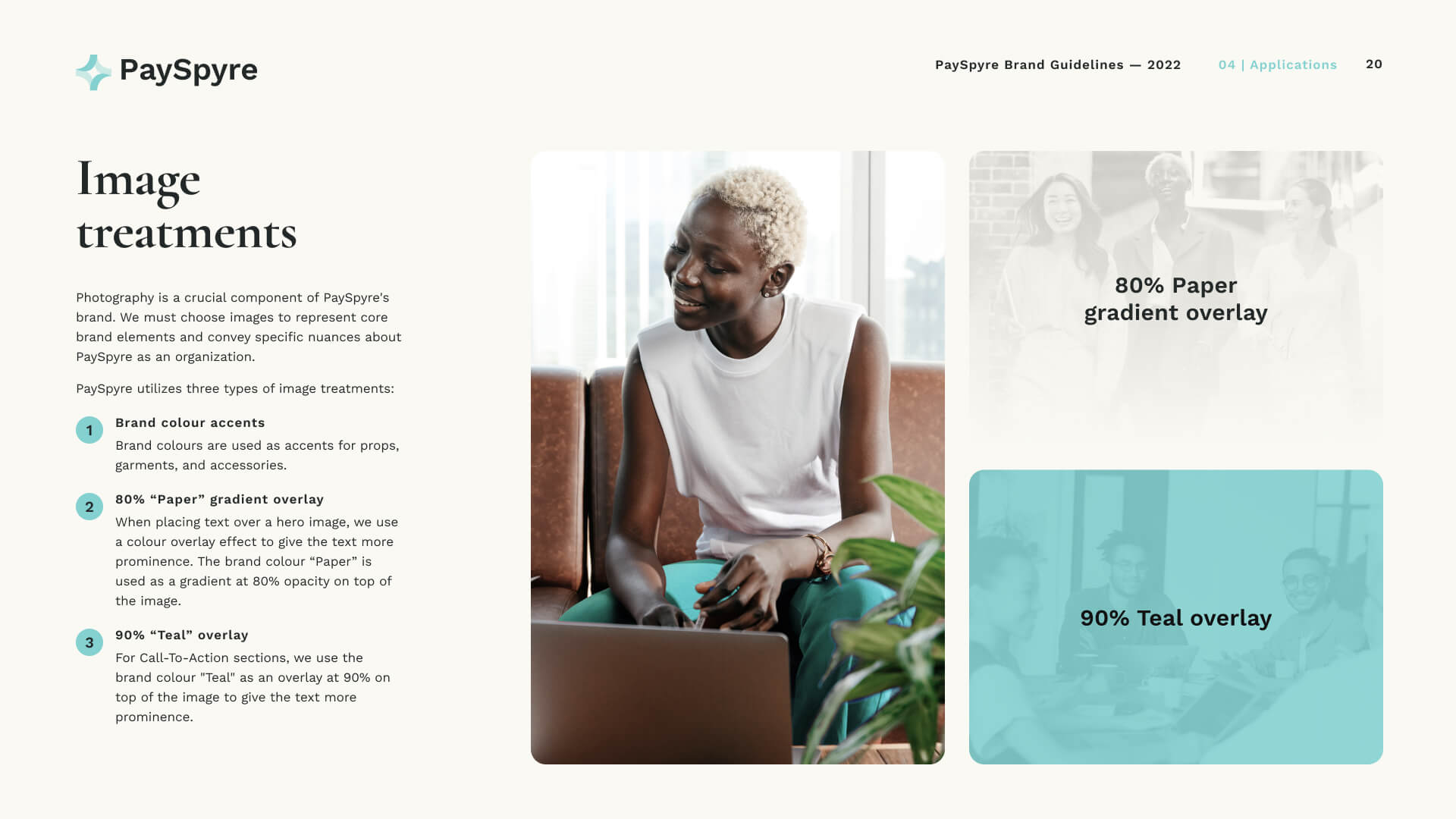

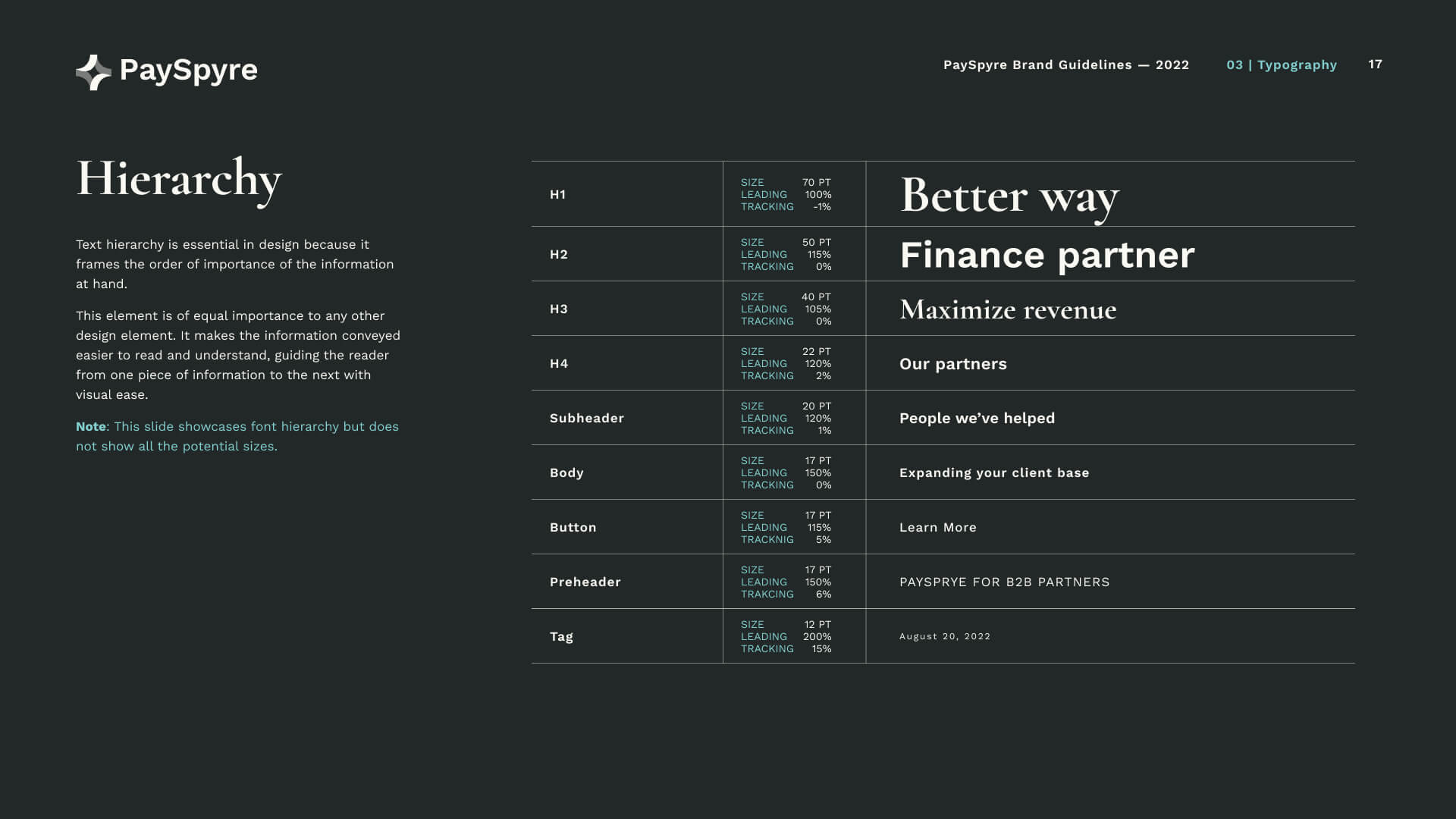
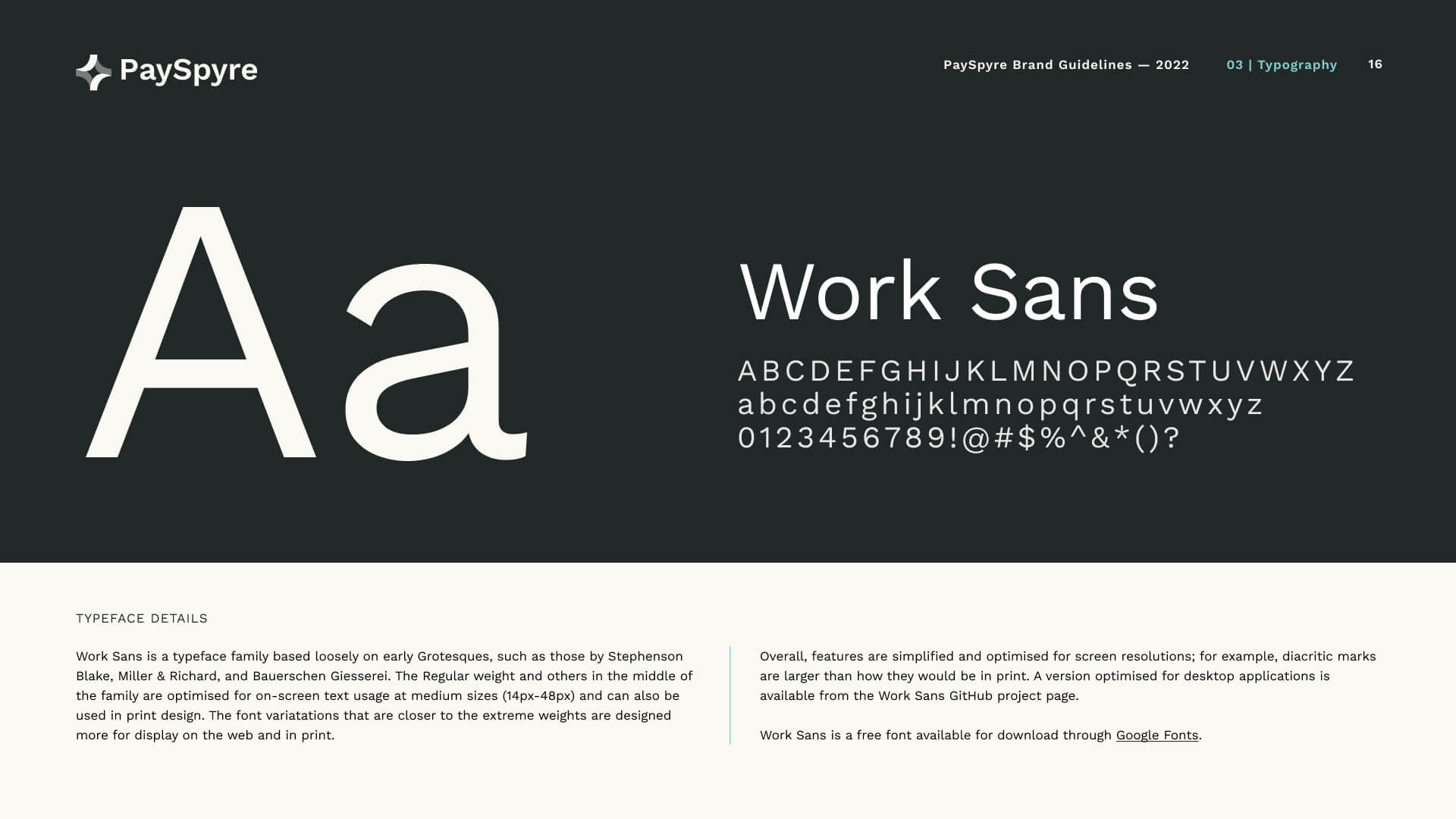
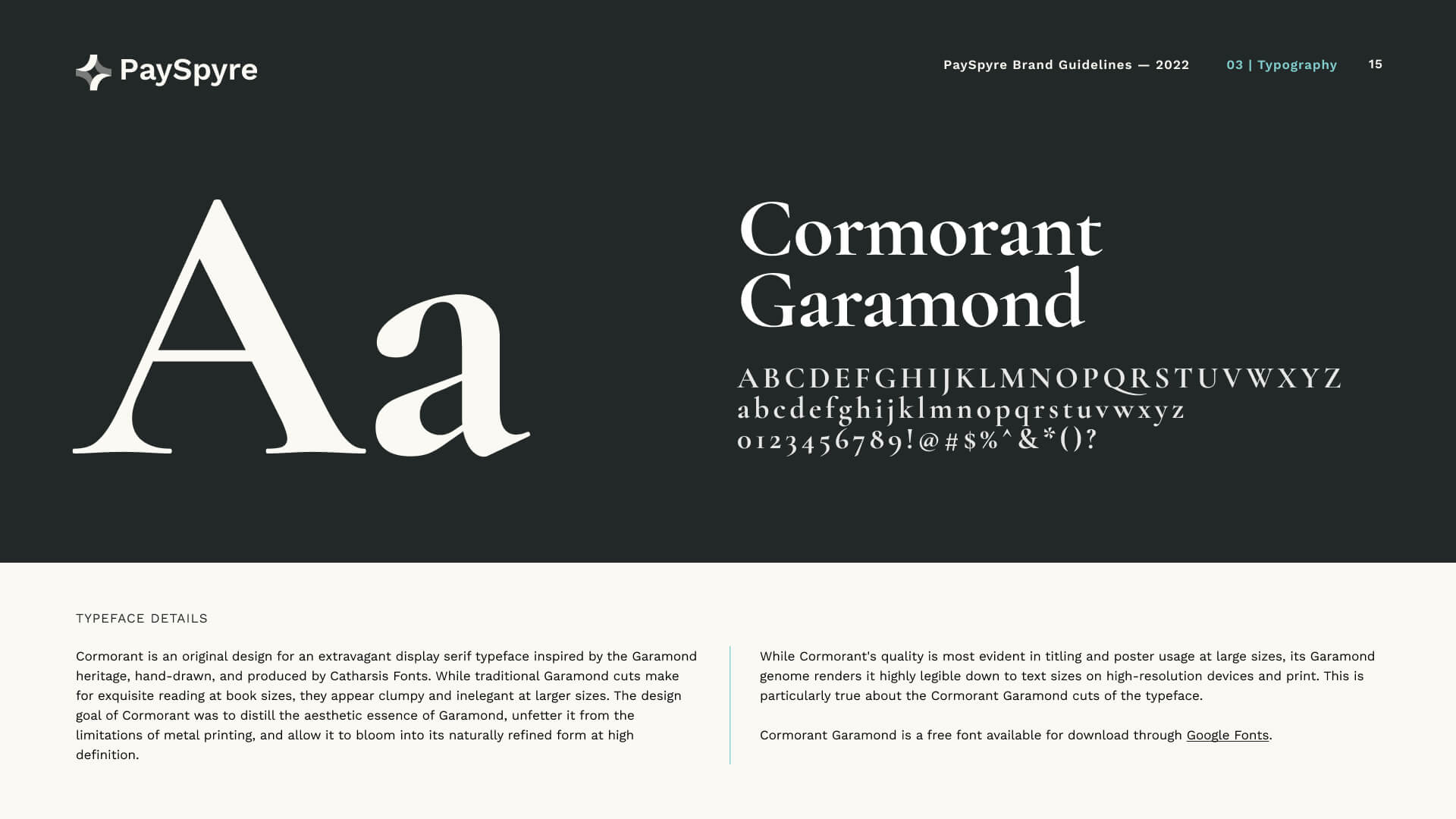


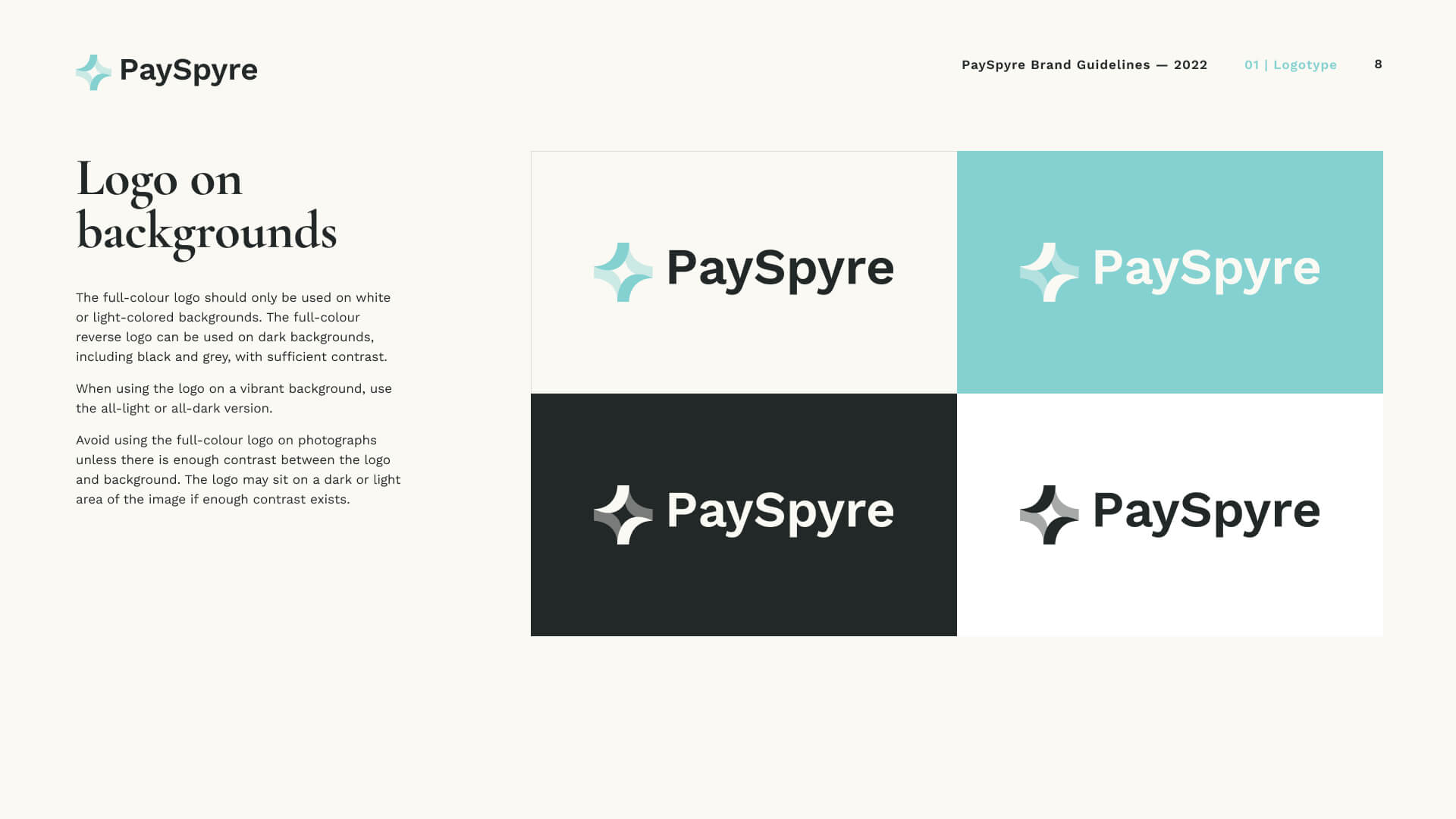
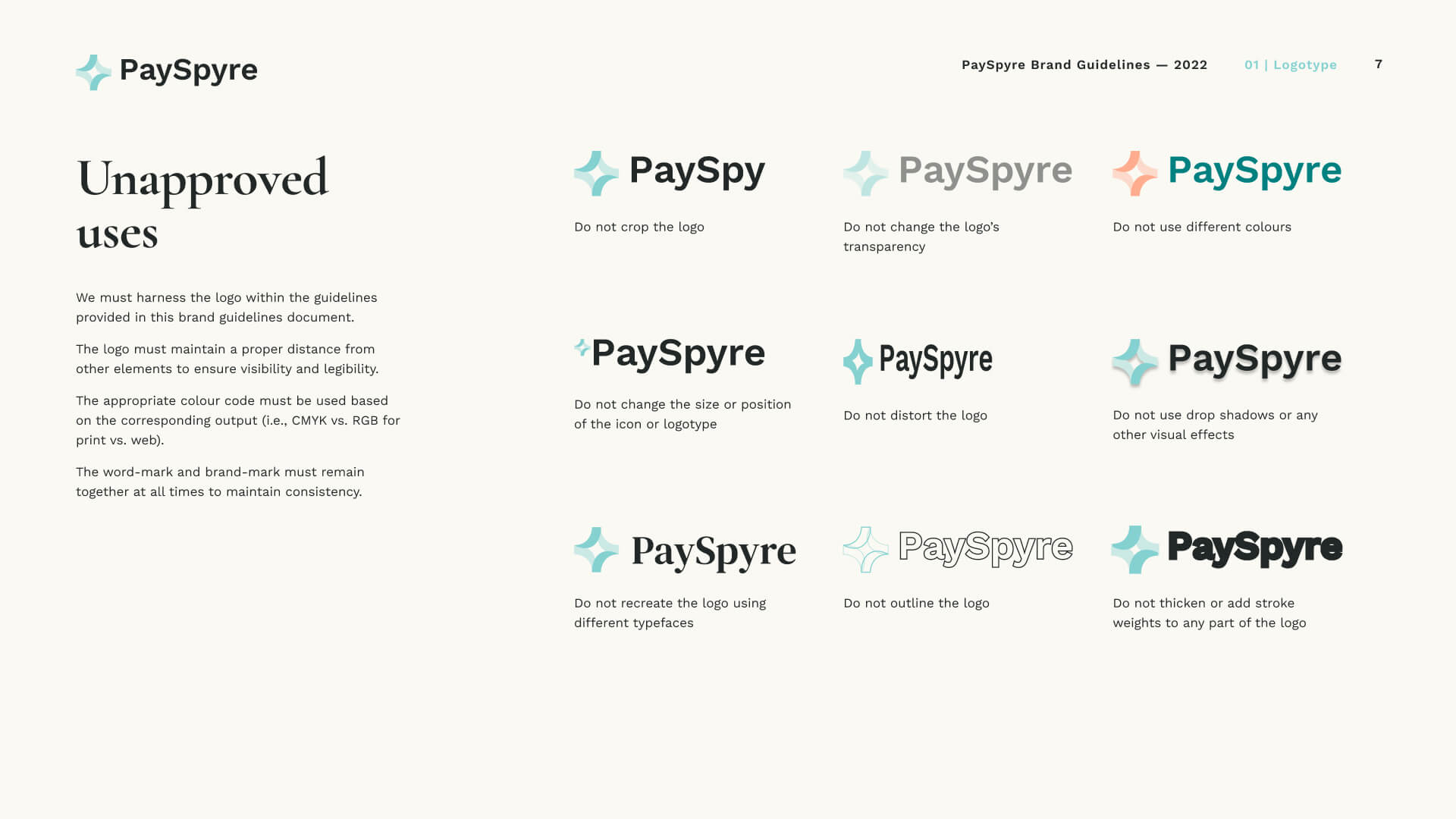
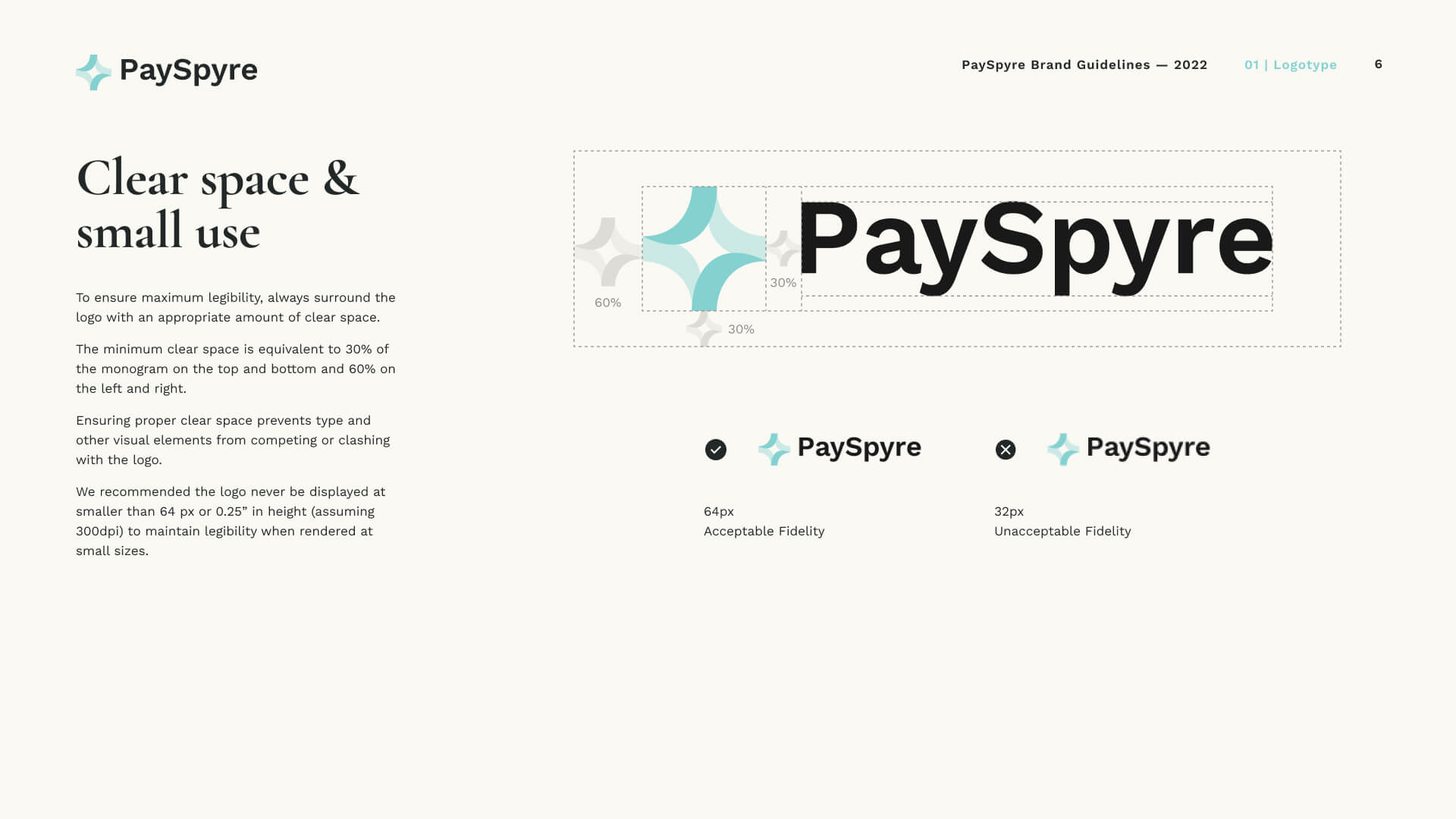
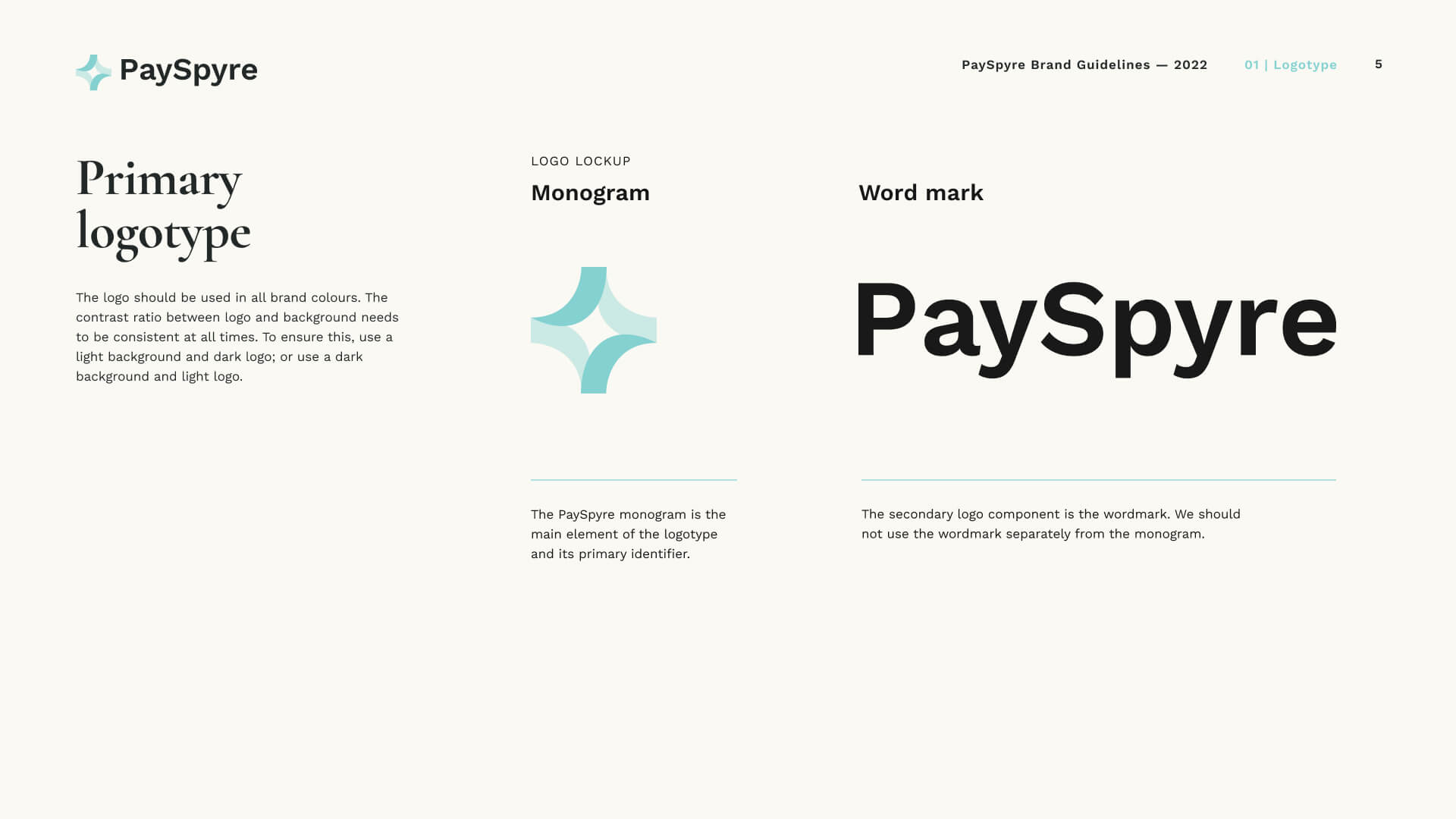
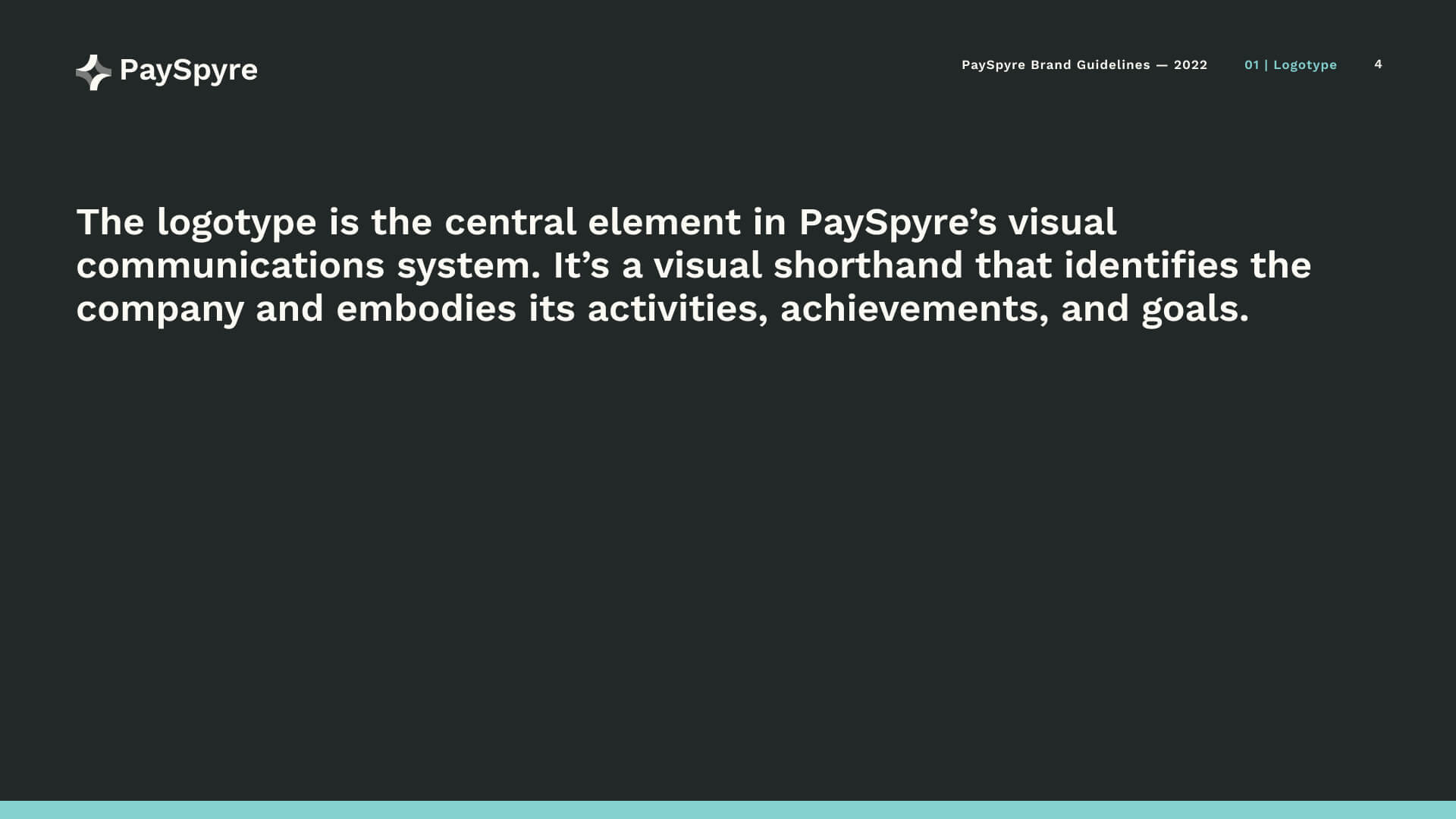


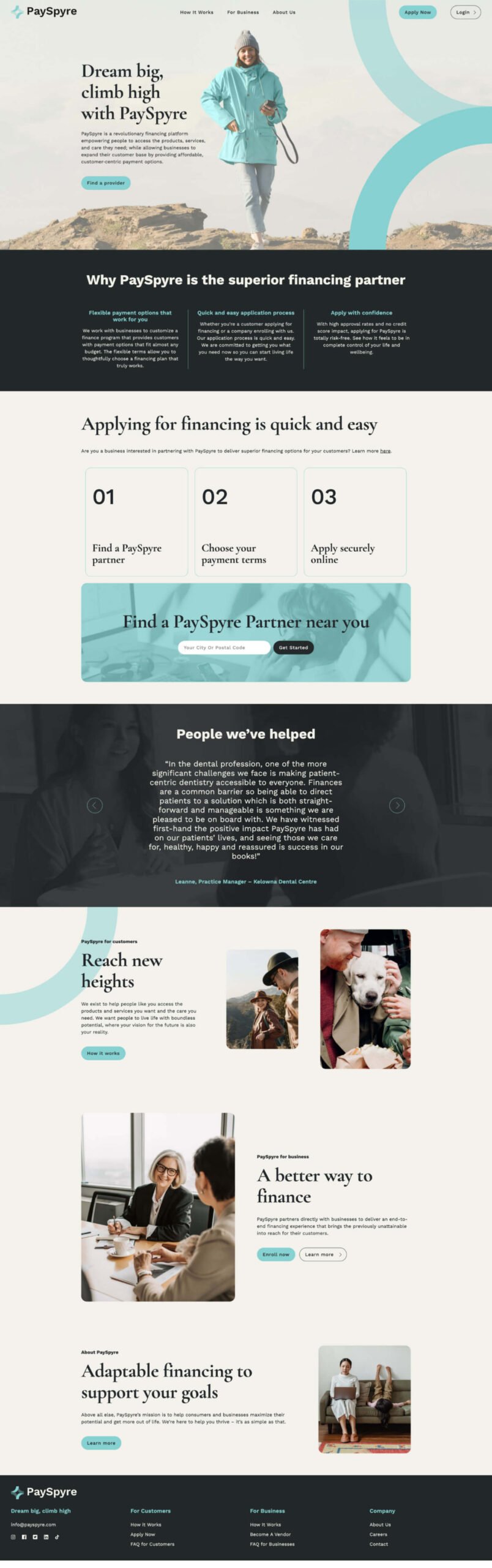
PaySpyre needed a website that could speak to two distinct audiences—consumers in need of financing and businesses with high-ticket services. We developed a brand strategy and visual identity that balanced innovation with approachability, building trust while showcasing the platform’s unique value proposition.
The website design and development focused on creating an intuitive user experience, with clear navigation and streamlined content that guides users through the benefits of PaySpyre’s services. A modern and engaging aesthetic was achieved using a custom WordPress theme, optimized for speed, SEO, and accessibility (WCAG 2.1 AA compliance).
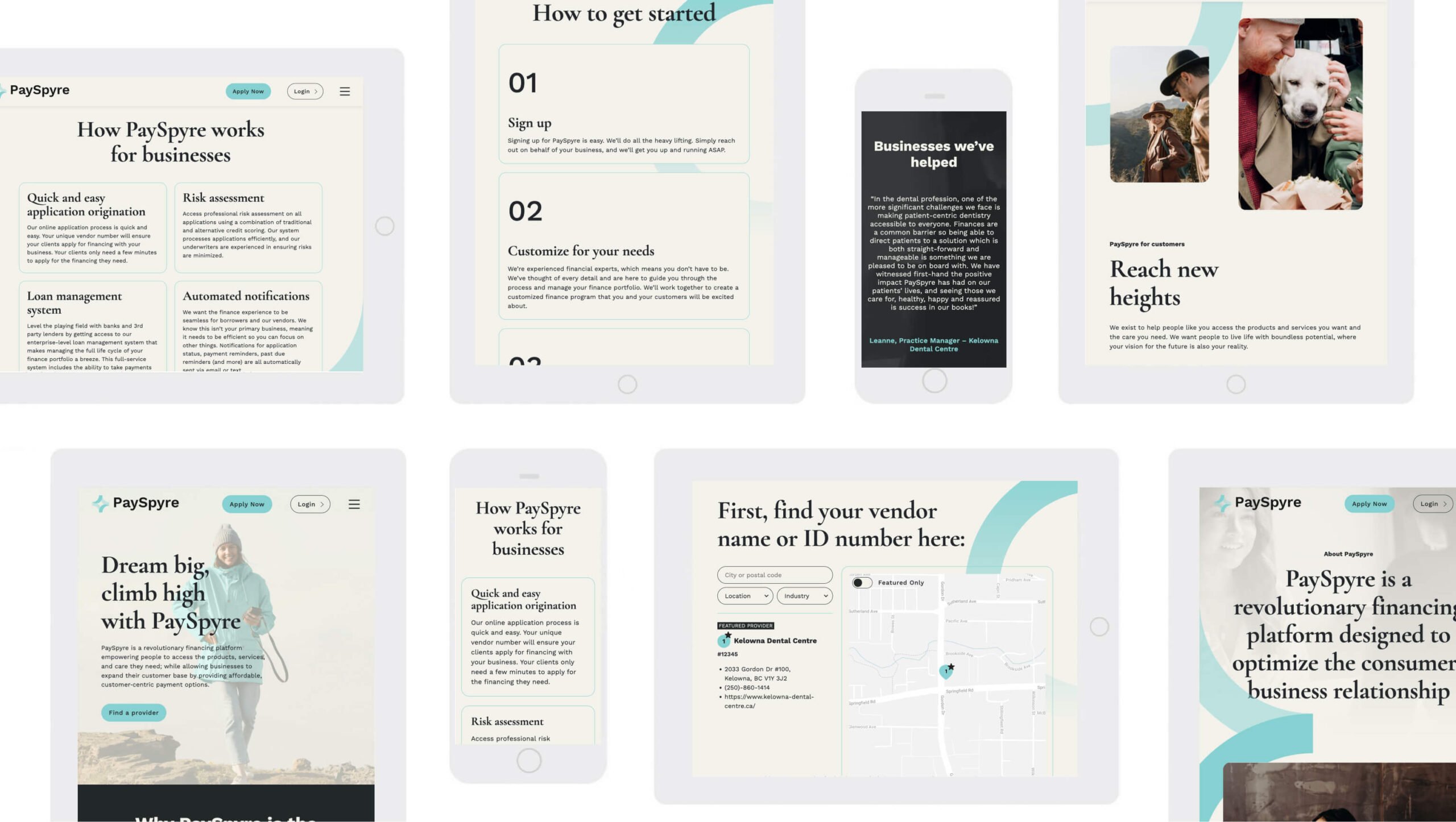
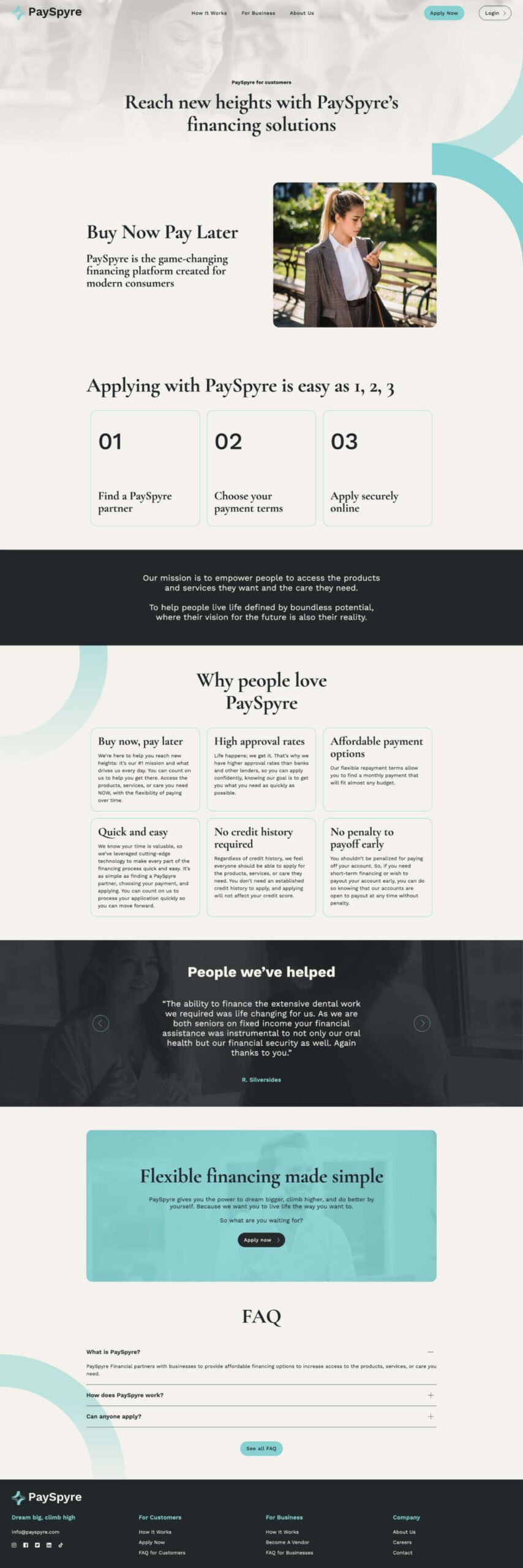
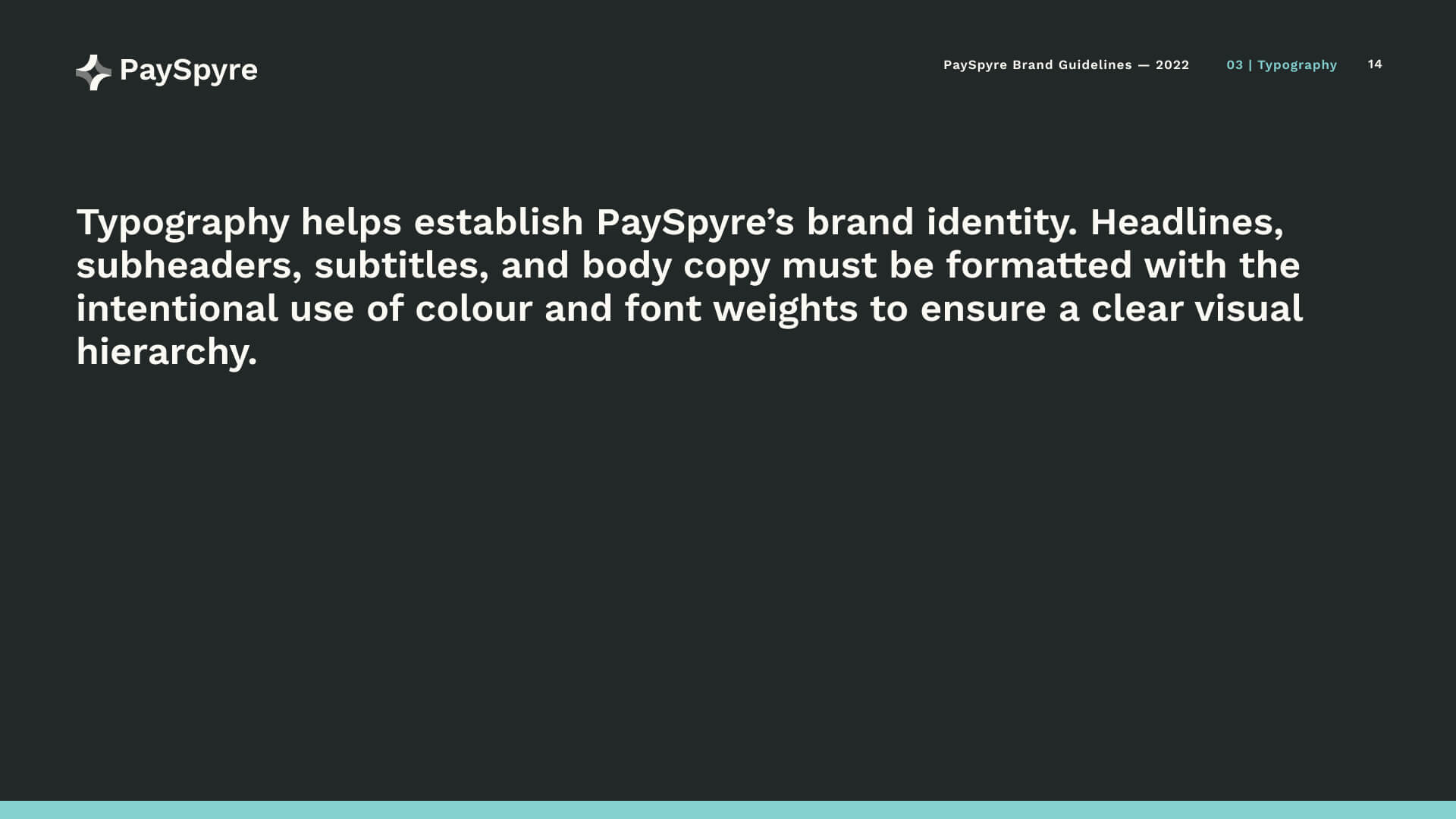
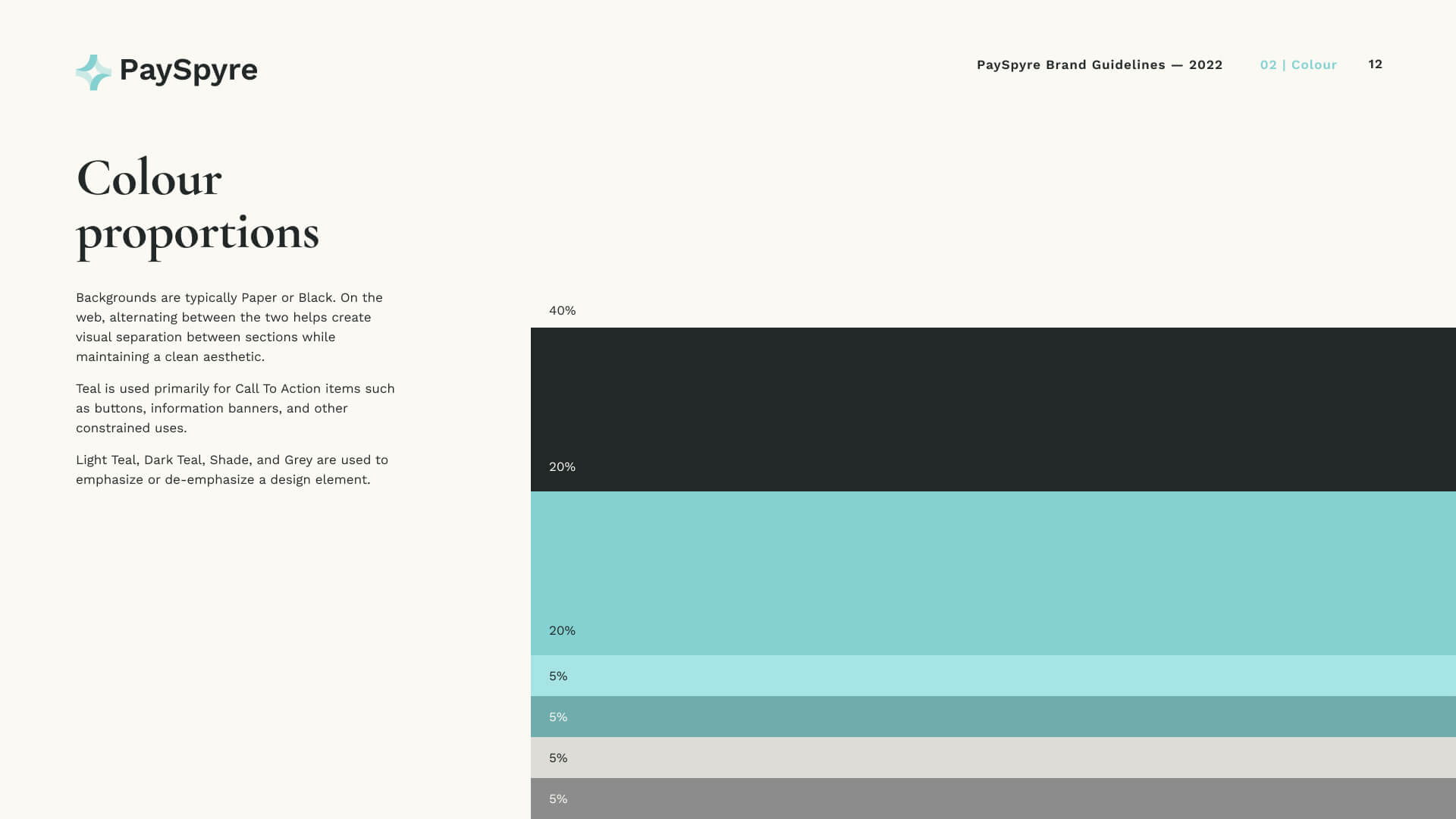
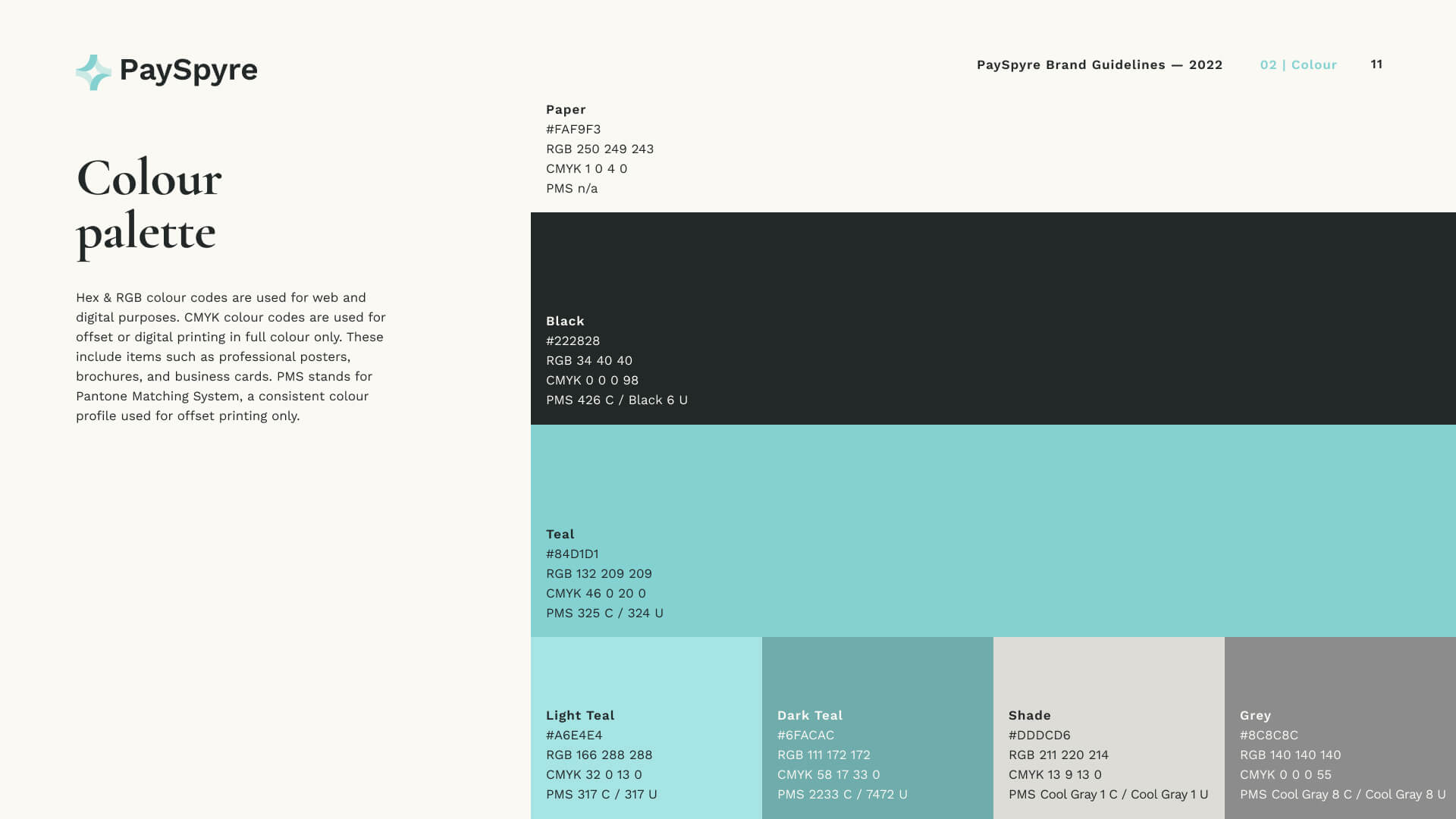
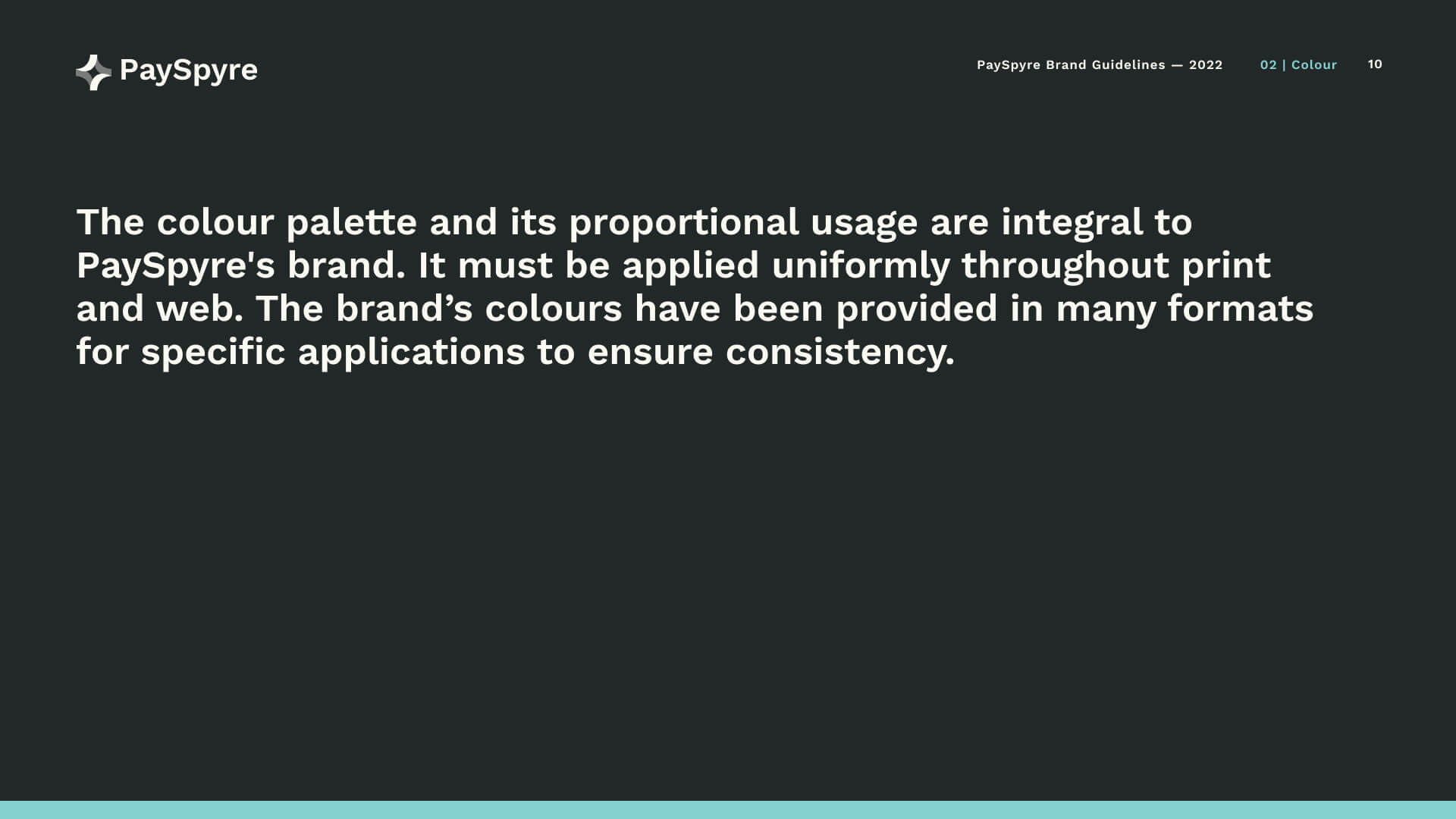
The visual identity needed to be both innovative and trustworthy. We crafted a design language that featured clean lines, modern typography, and a vibrant yet professional color palette. This visual style not only appeals to tech-savvy consumers but also instills confidence in businesses considering PaySpyre as a financing partner.
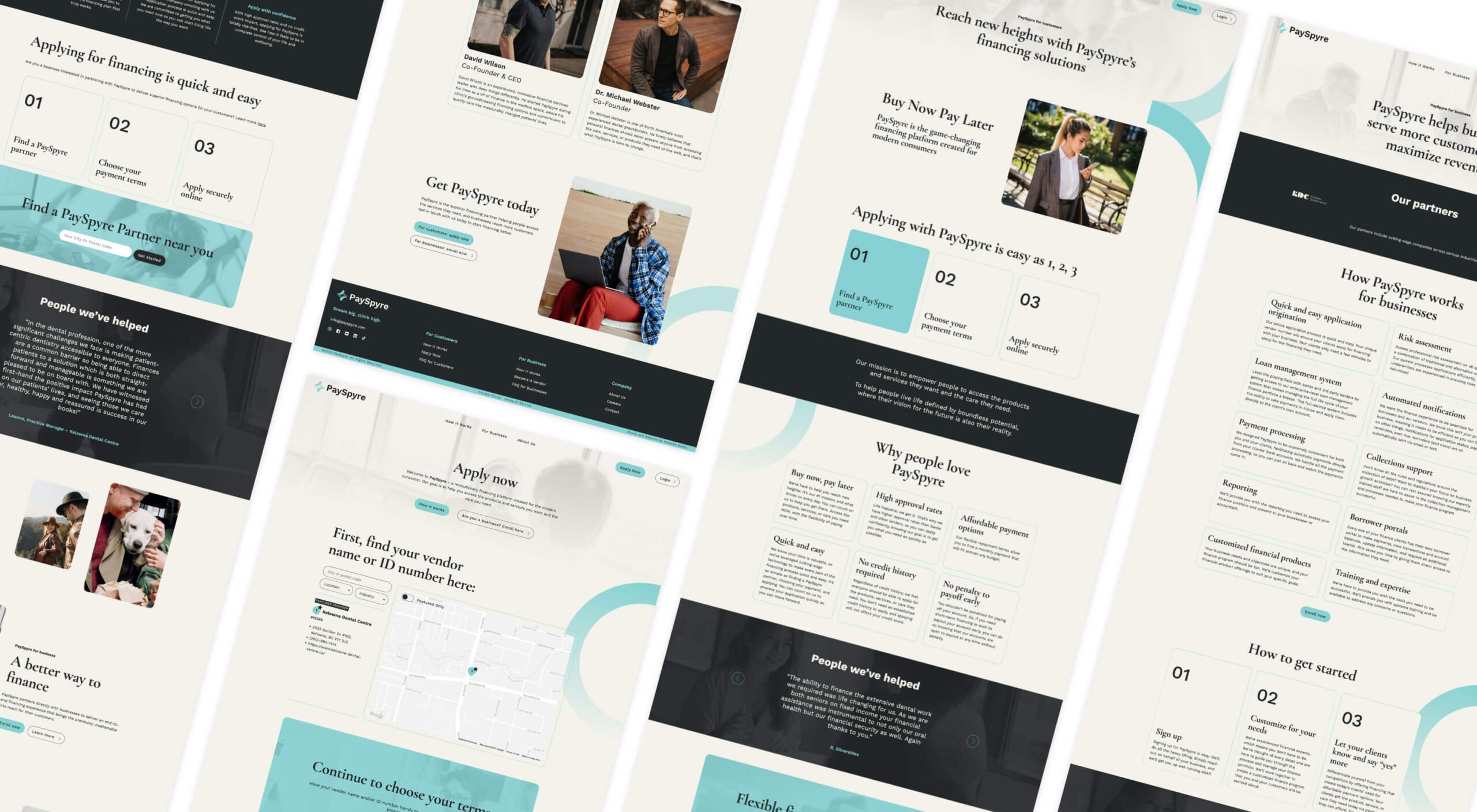
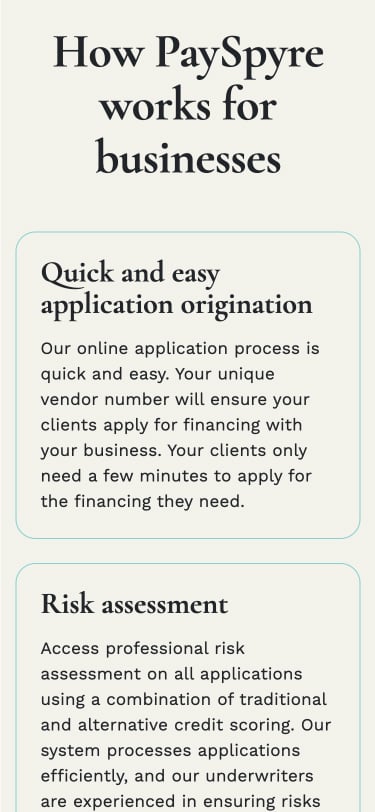


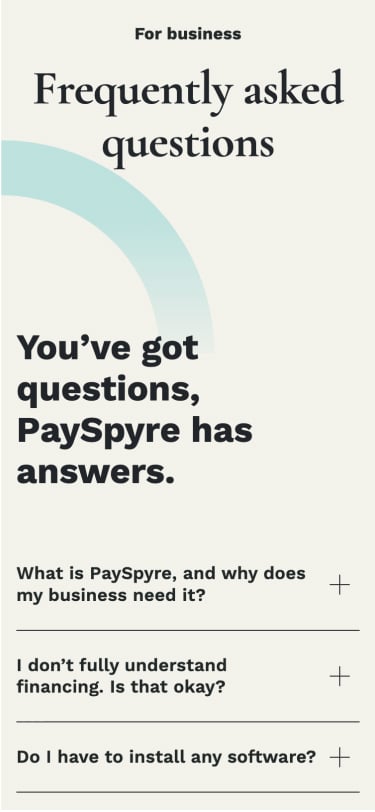

We knew that to effectively reach both consumers and businesses, the website needed to be fast, accessible, and optimized for search engines. Our development team built a custom WordPress theme designed for optimal performance, adhering to the highest standards of web accessibility and SEO best practices. This ensures that PaySpyre can connect with a broader audience, providing access to essential financing options for those who need it most.
Our longstanding relationship with PaySpyre reflects a shared commitment to innovation and impact. This latest project is a testament to how strategic design and thoughtful development can amplify a brand’s mission, creating a digital presence that not only drives business growth but also fosters meaningful connections between consumers and businesses.
Visit the new PaySpyre website: payspyre.com
Common questions about banking and finance website projects, answered from experience.
High-performing lead generation in banking, finance, and insurance comes from aligning CTAs to user intent and reducing uncertainty at the moment of action (clear steps, clear requirements, clear outcomes). We focus on conversion paths that feel like help, not pressure, and we measure success by qualified actions, not just raw form fills. For PaySpyre, the site needed to speak to two distinct audiences (consumers and businesses), requiring tailored pathways that build trust and guide users to the right next step.
Financial services brands operate under an unusually acute tension: heavy regulation and inherent risk aversion on one side, a need to build genuine preference in a market where competitors all sound identical on the other.
Most financial brands land in one of two places: compliant and forgettable, or differentiated in ways that make compliance teams nervous. The resolution is finding differentiation that’s true, provable, and defensible, then building outward from there.
In financial services, that often means starting with proof before positioning: what outcomes has the firm delivered, for which clients, and what does that tell us about who the organization is and who it’s for? The brand voice needs to navigate regulatory scrutiny without defaulting to the flat, institutional tone the industry hides behind. And the site experience needs to make complex offerings feel navigable for audiences with very different levels of financial literacy.
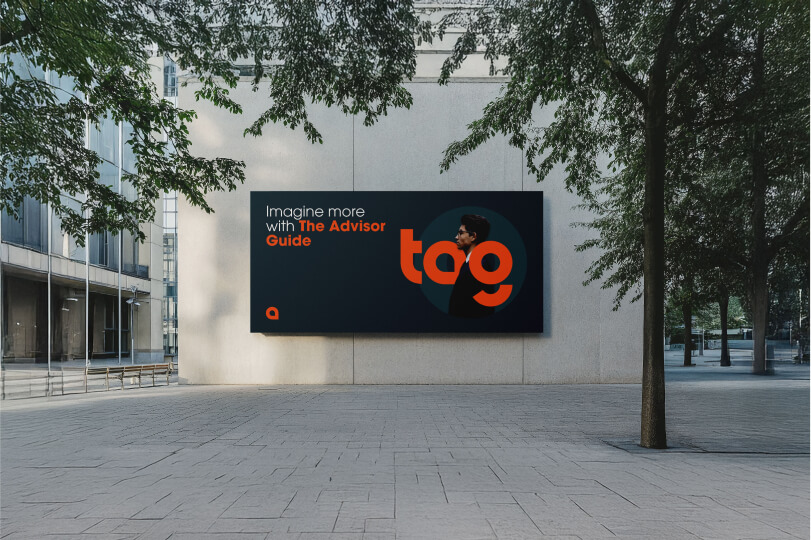
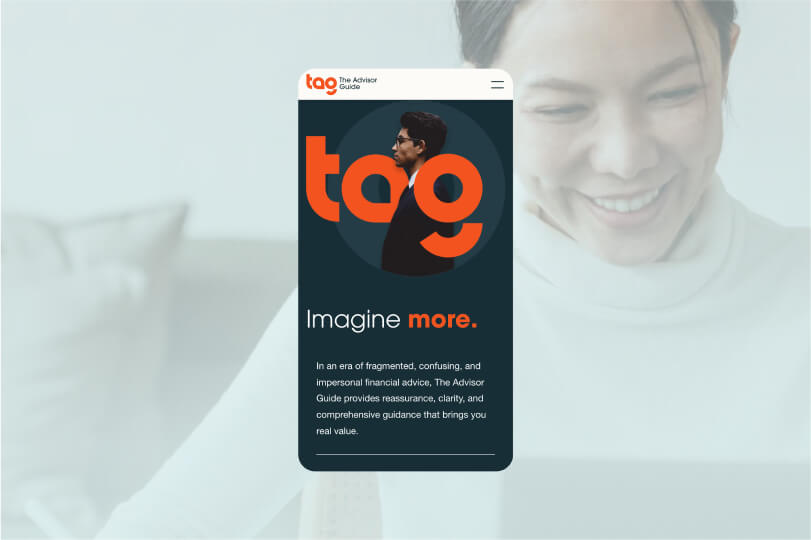
We’ve worked through this across firms like Intellifi, The Advisor Guide, and PearTree Canada.
The language that builds credibility with a CFO or institutional investor is often the opposite of what resonates with a retail customer navigating a mortgage or first investment account. A brand built primarily for one will underperform with the other.
The answer isn’t a compromise that splits the difference. It’s a brand architecture with a shared core position and audience-specific messaging, content structure, and user pathways. Each audience needs to encounter the brand on their own terms: the right level of technical depth, the right proof points, the right tone. The site’s information architecture does the heavy lifting here, routing institutional and retail audiences to distinct content without fragmenting the overall brand experience.
This dual-audience challenge shows up across a wide range of financial services work, from lending technology (Intellifi) to consumer financing (PaySpyre) to philanthropic financial services (PearTree Canada).
By investing in the structural layer of the brand before finalizing the visual identity. The brands that scale well in financial services are built on a clear institutional logic (a defensible answer to “what are we for and who do we serve best”) paired with a brand architecture flexible enough to accommodate new service lines, geographies, and audience segments without requiring reinvention every time.
That means defining the positioning, messaging hierarchy, and rules for how the brand flexes at the system level, not just at the launch-day level. A brand built around one service line that needs to accommodate three more will either constrain growth or fracture under the pressure of it.
For firms operating across regions, the system also needs to account for market-specific content needs, language requirements, and regulatory considerations. We’ve built these scalable systems for firms like Cogency Global and PaySpyre.