Go to content

Recovery College YVR

INTRODUCTION

Empowering Recovery Through Education: The Launch of Recovery College YVR

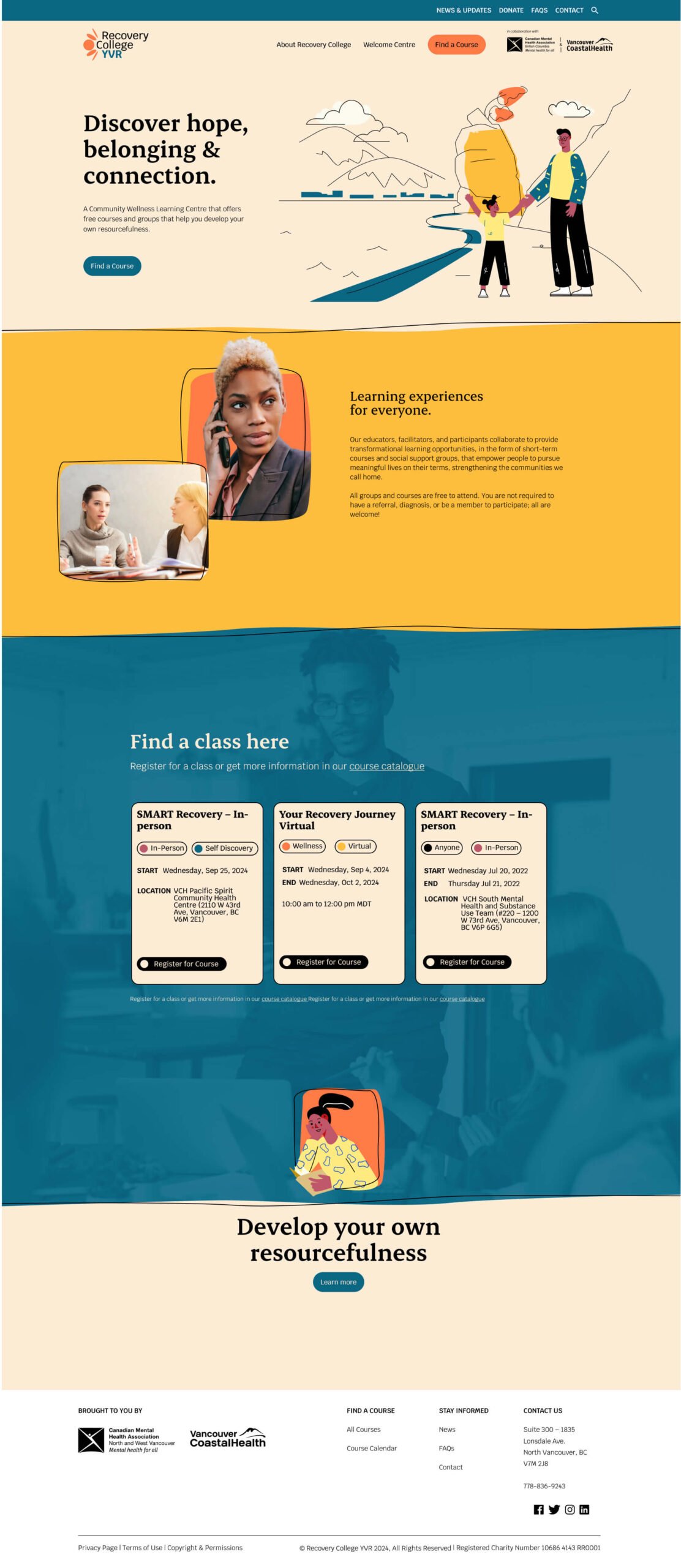
Recovery College YVR (RC YVR) is not just a mental health service; it’s a revolutionary community wellness learning center, developed collaboratively by the Canadian Mental Health Association (CMHA) North & West Vancouver and Vancouver Coastal Health (VCH). Rooted in a successful model from the UK, RC YVR offers a unique space where people of all backgrounds can access free courses to learn, connect, and grow—without the traditional barriers of a college environment. Their mission: to provide an inclusive, supportive environment where individuals can explore personal recovery, build meaningful connections, and enhance their well-being.

But RC YVR needed a brand identity that truly reflected their innovative approach and resonated with the diverse communities they aim to serve. That’s where we came in.

CREATIVE DIRECTION

From Vision to Visuals: A Holistic Identity

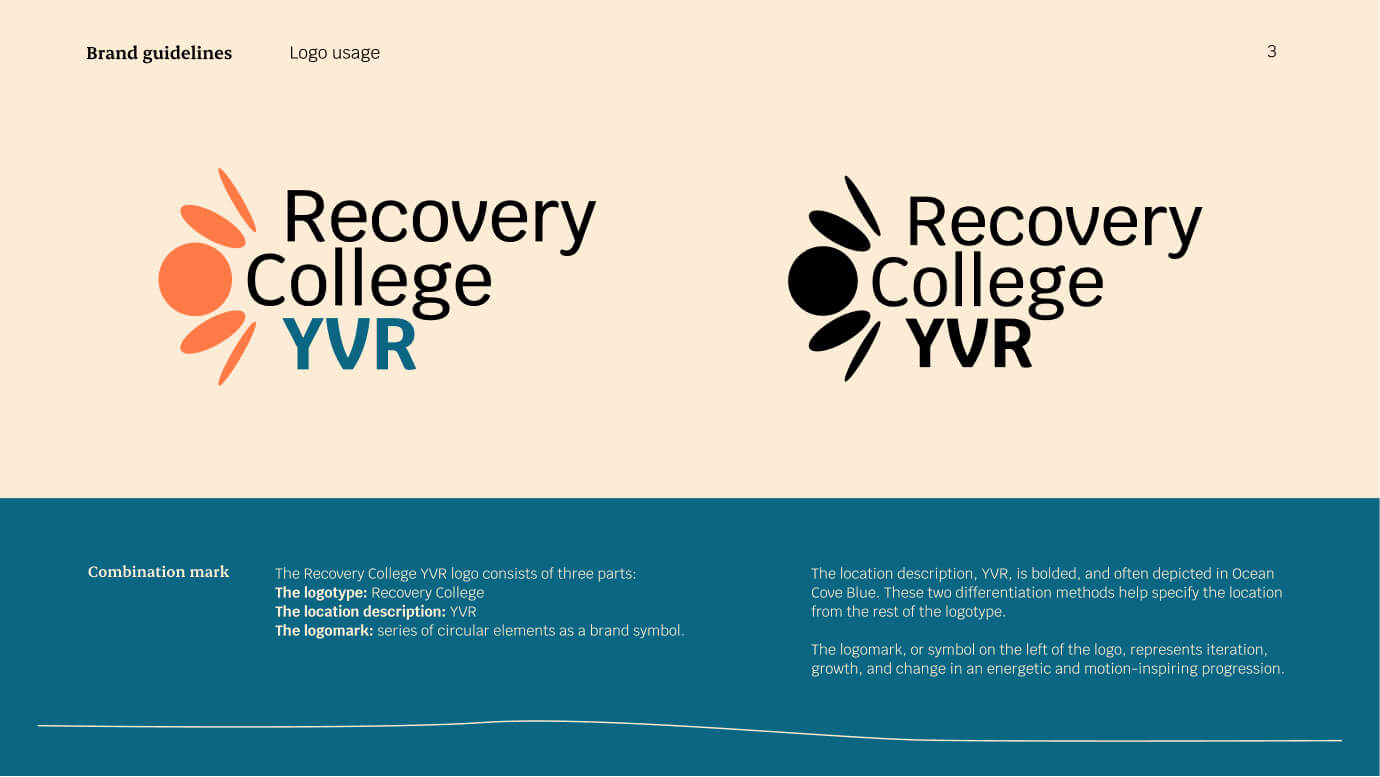
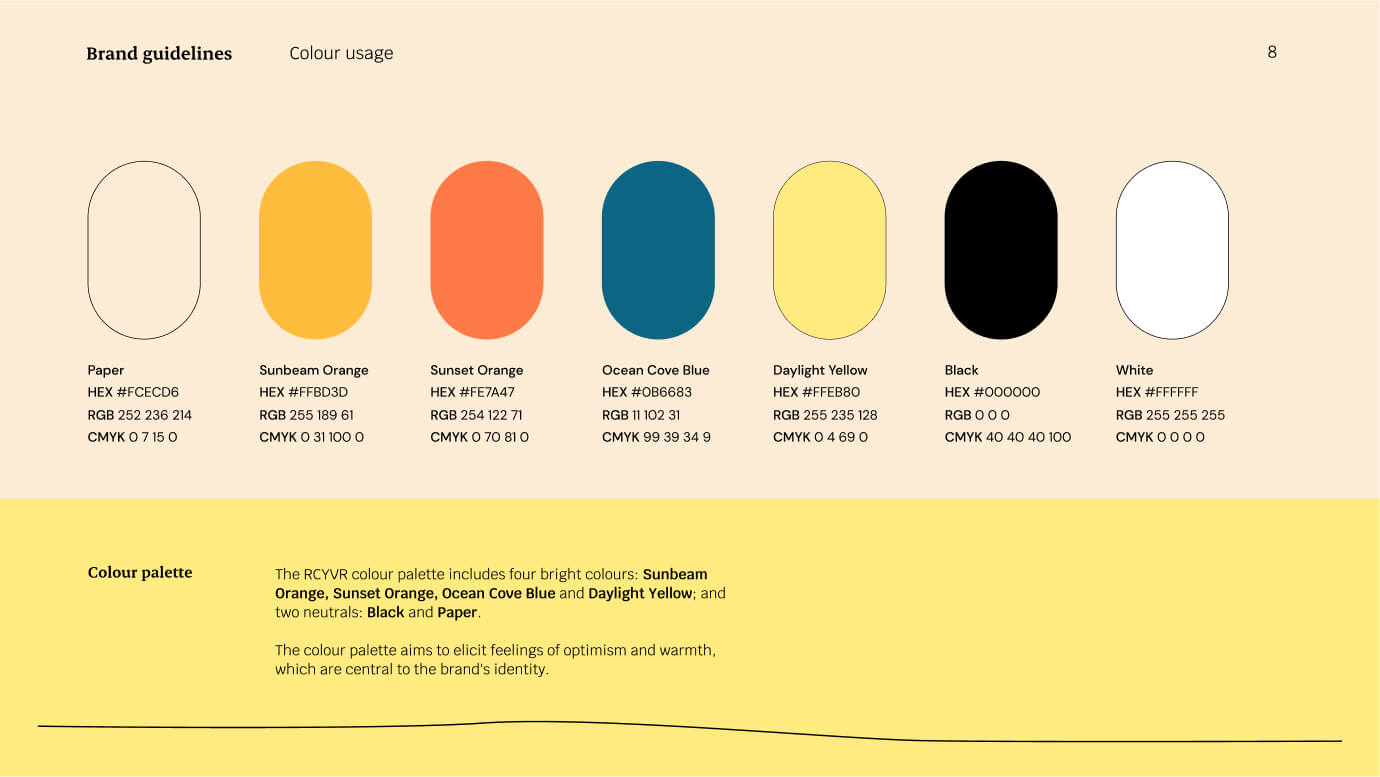
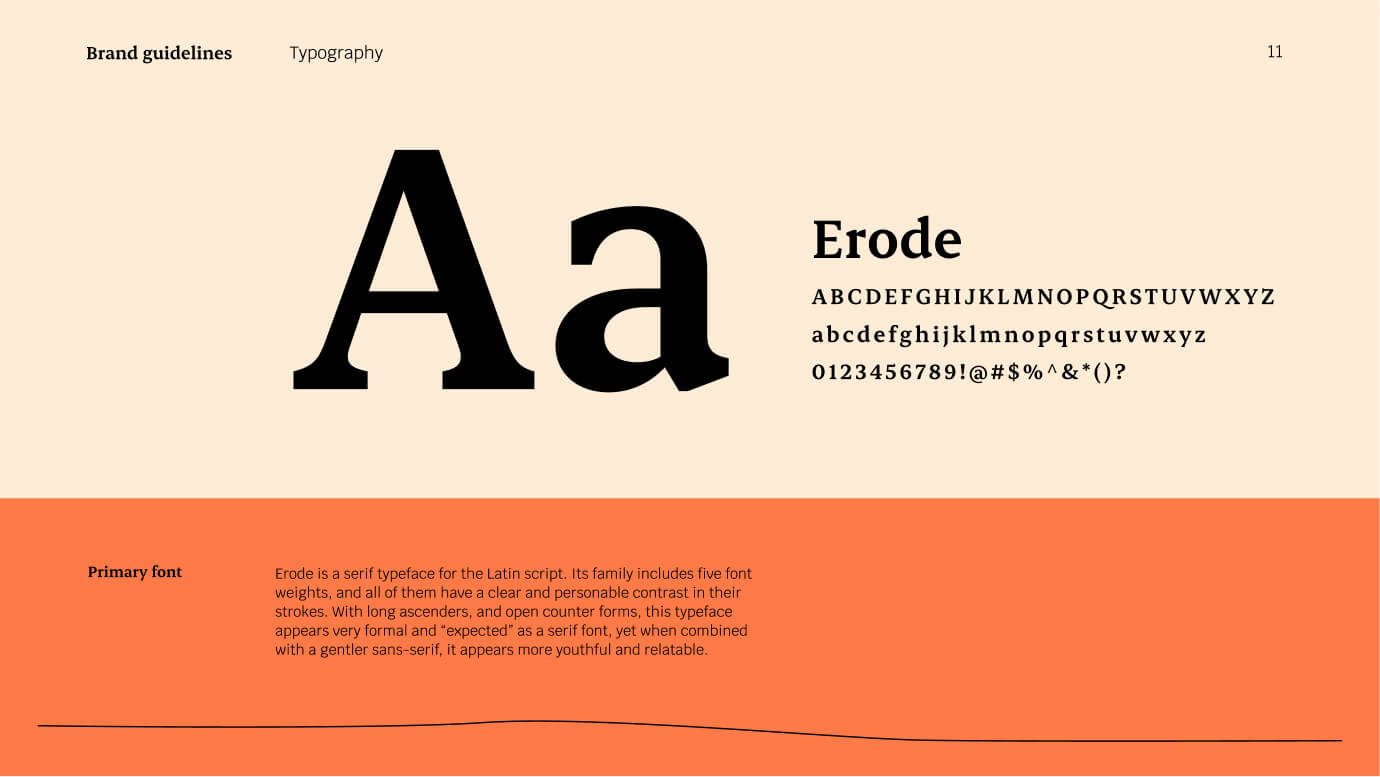
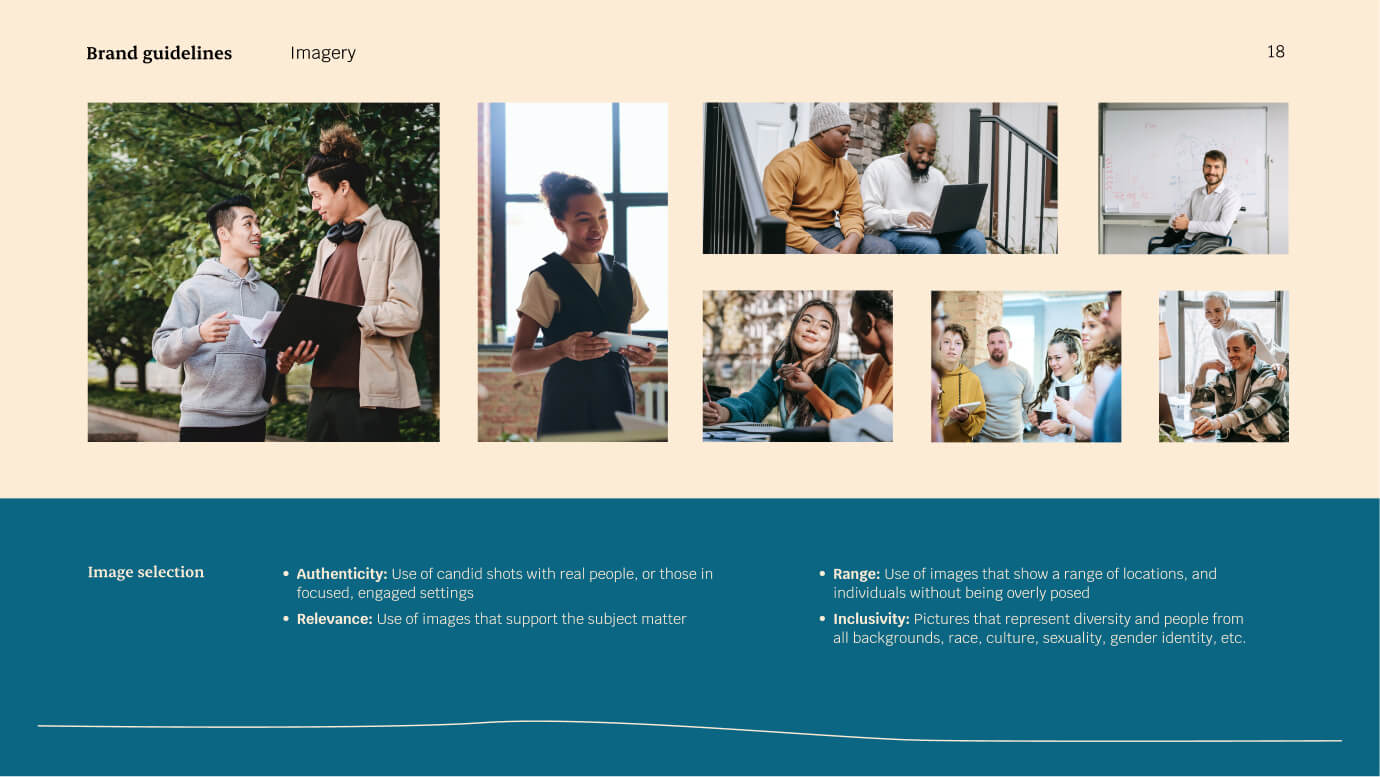
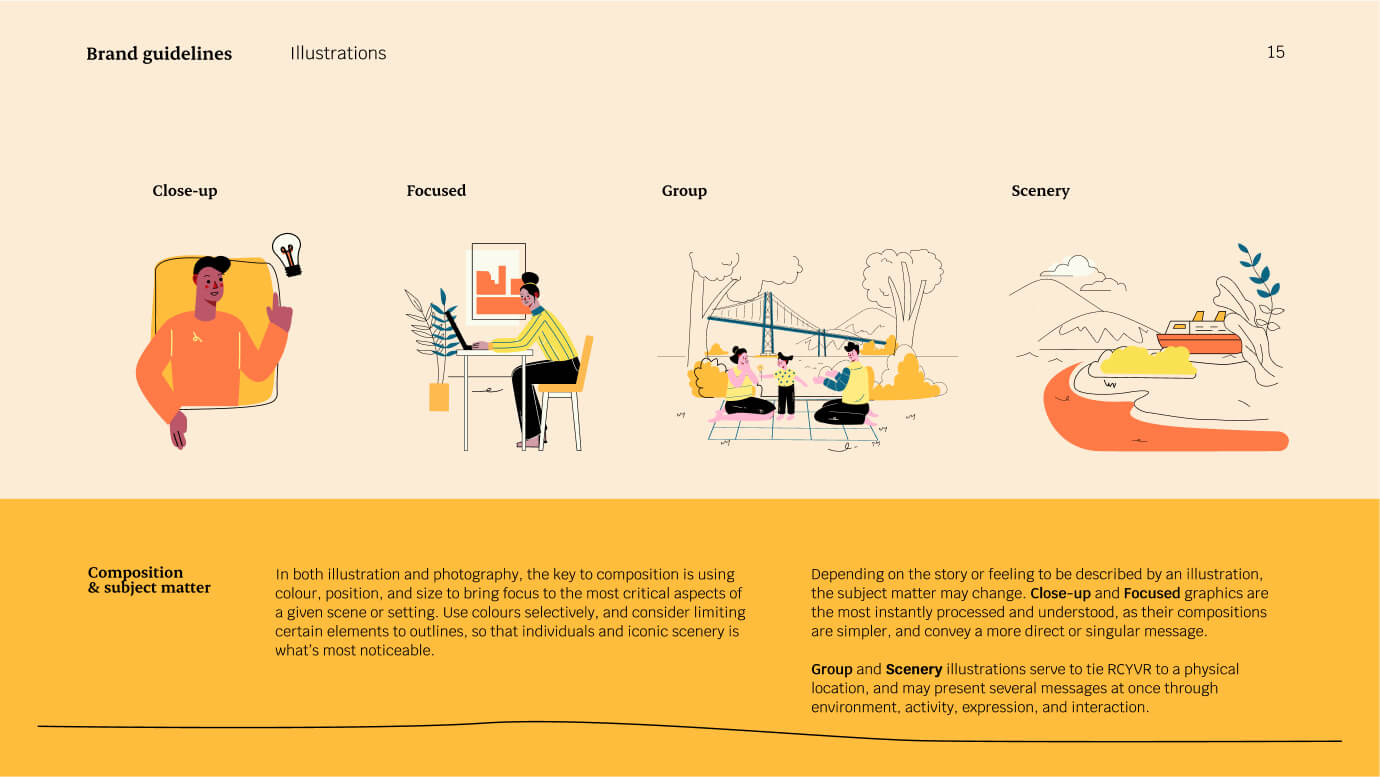
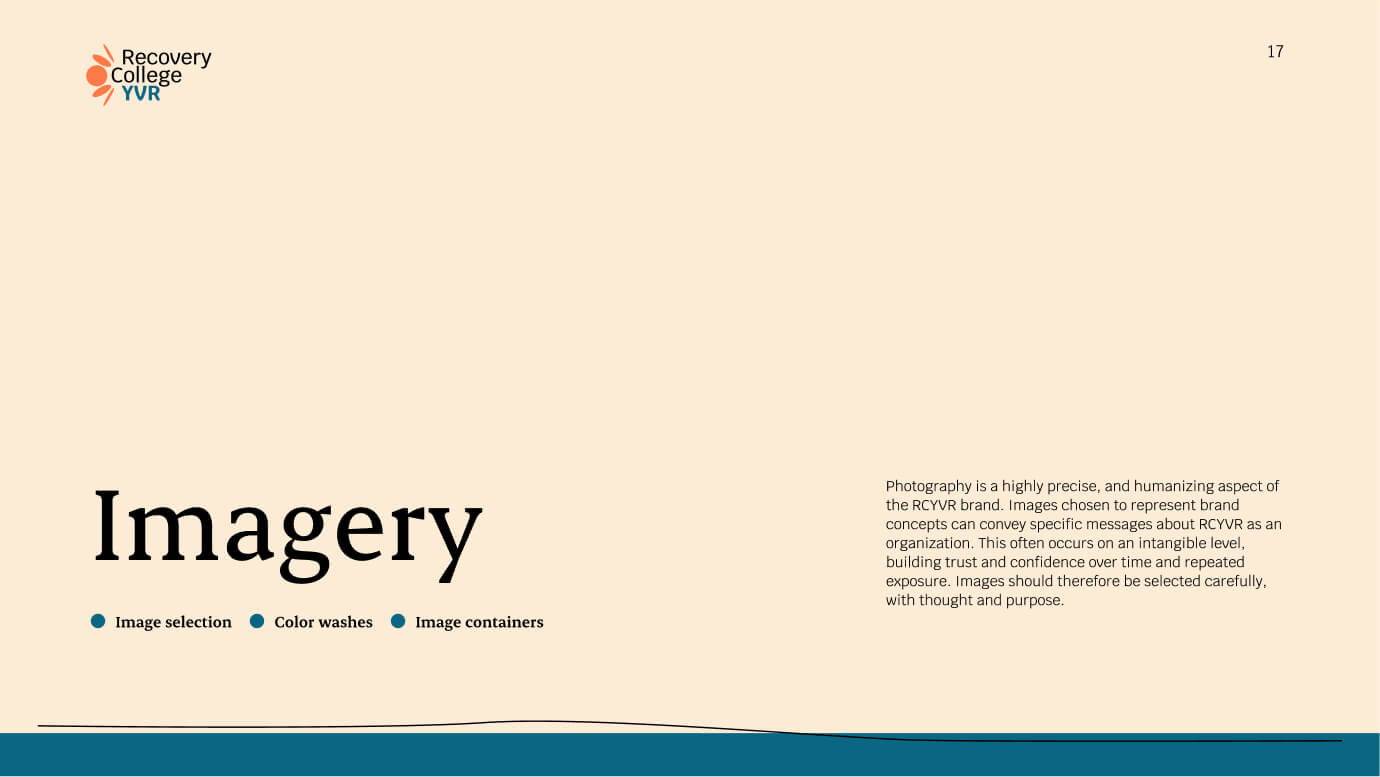
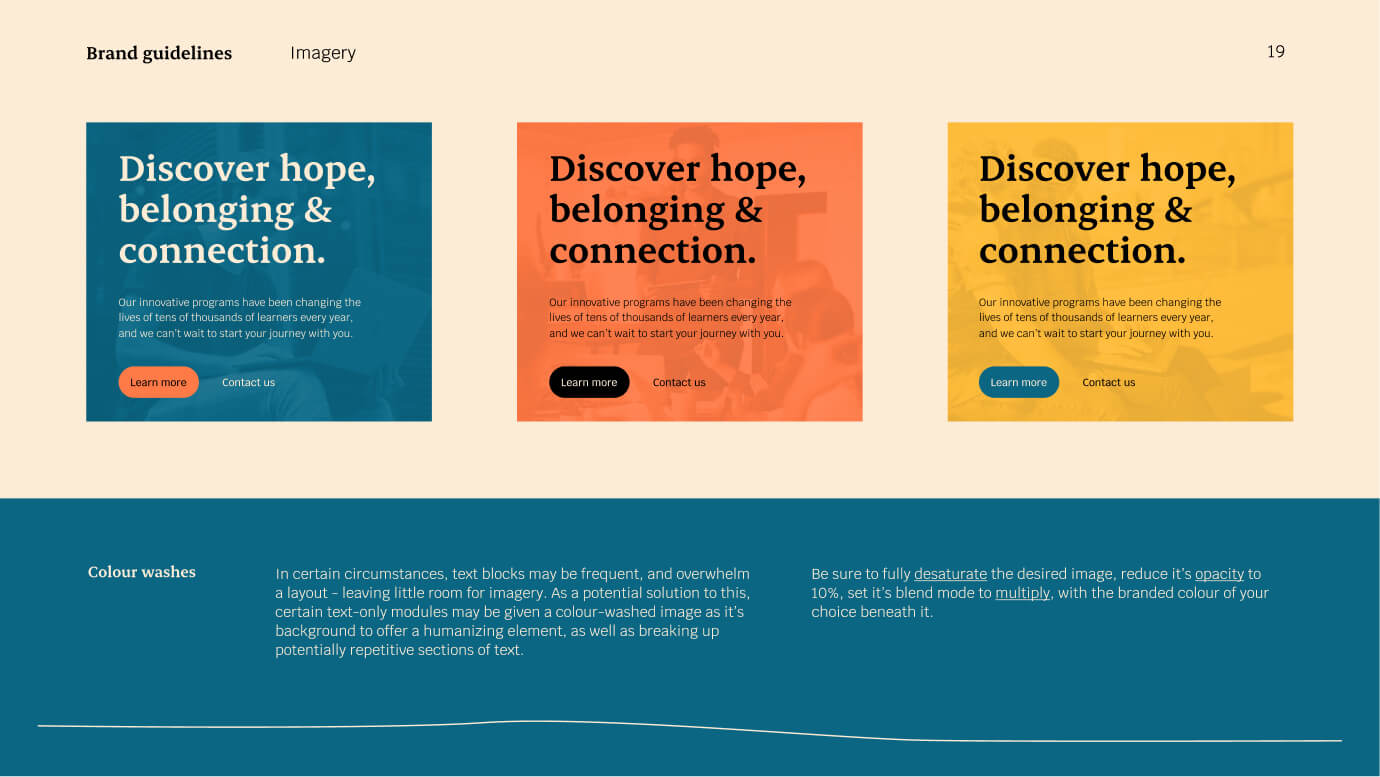
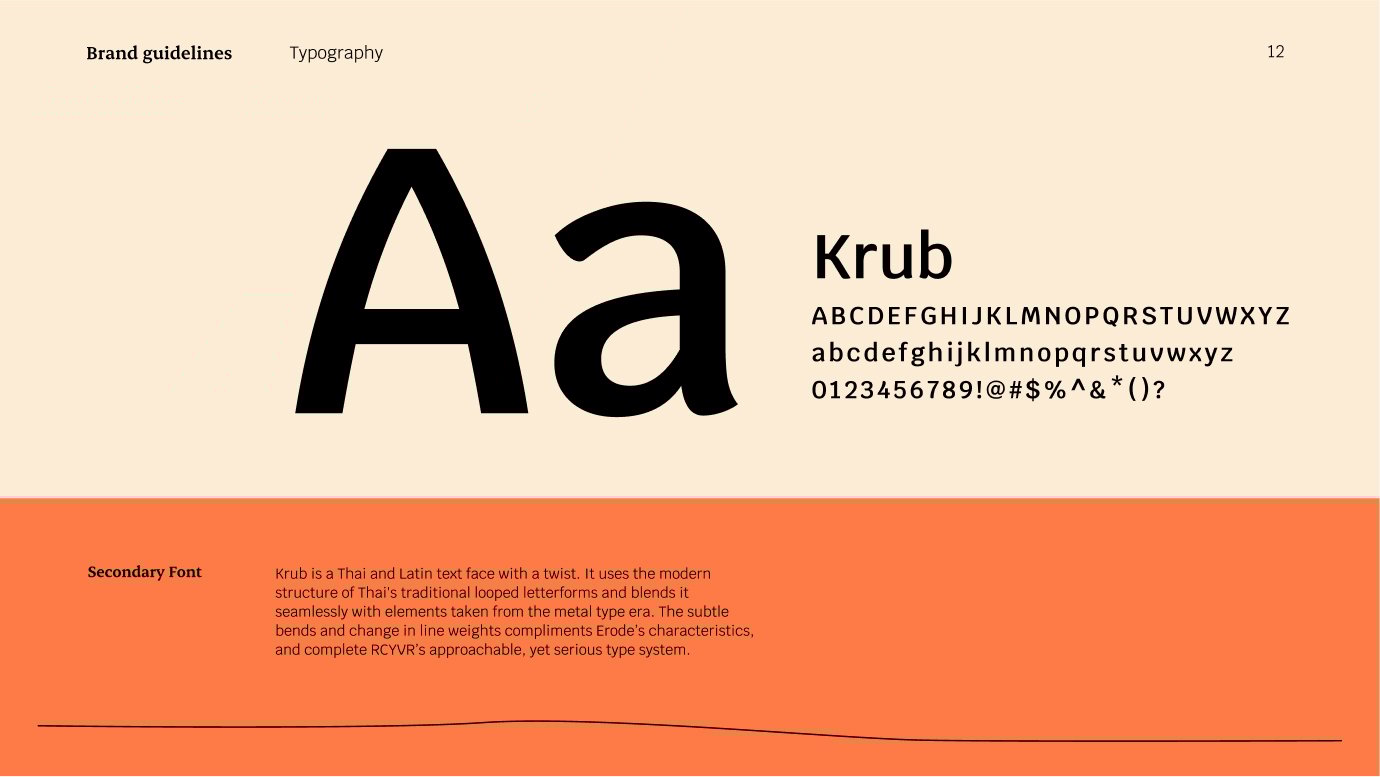
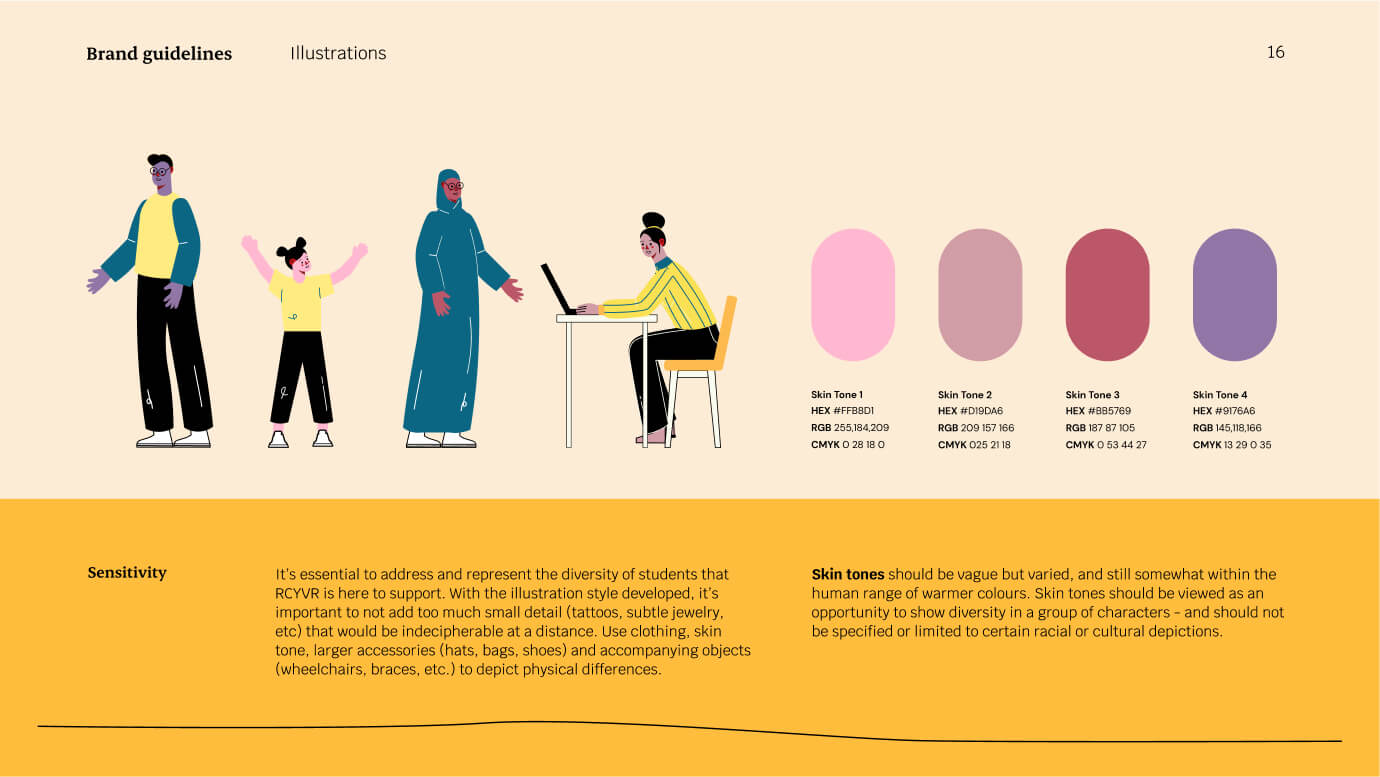
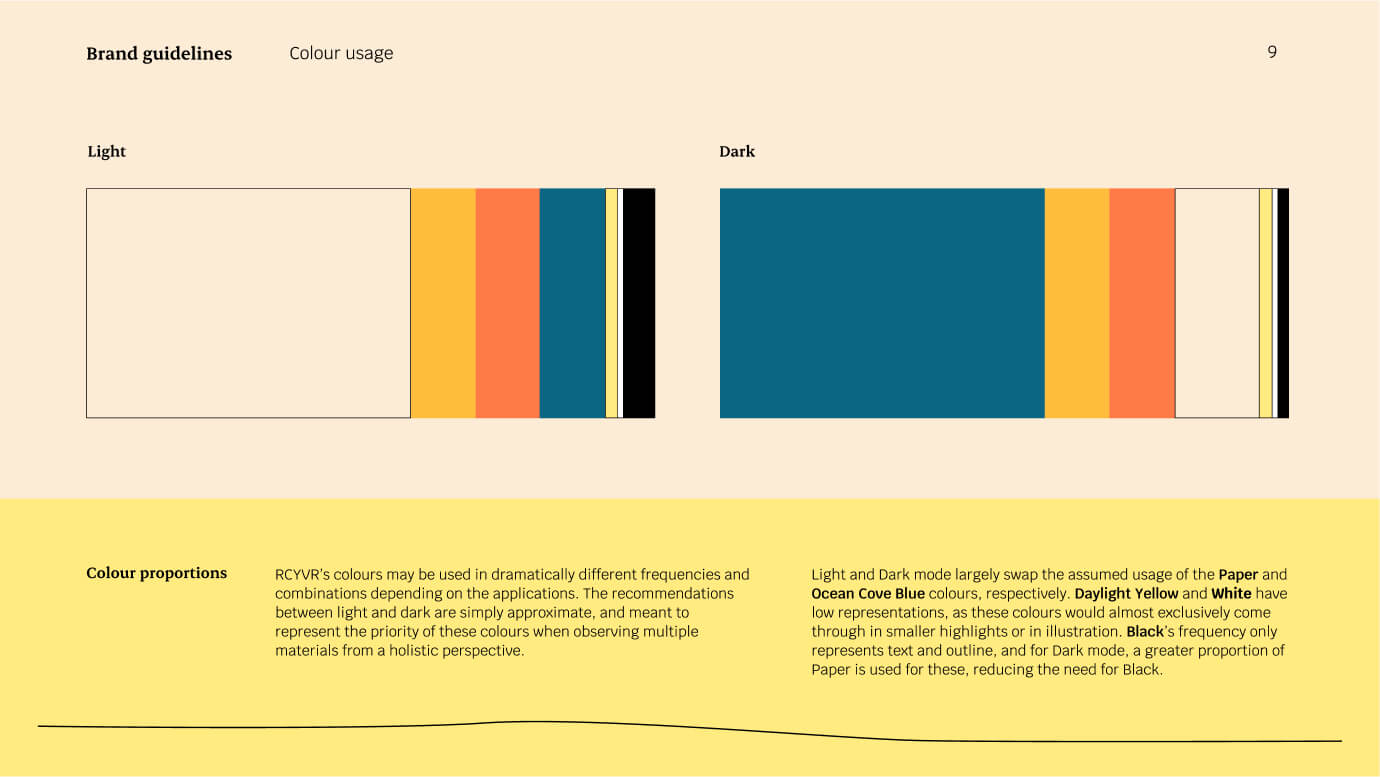
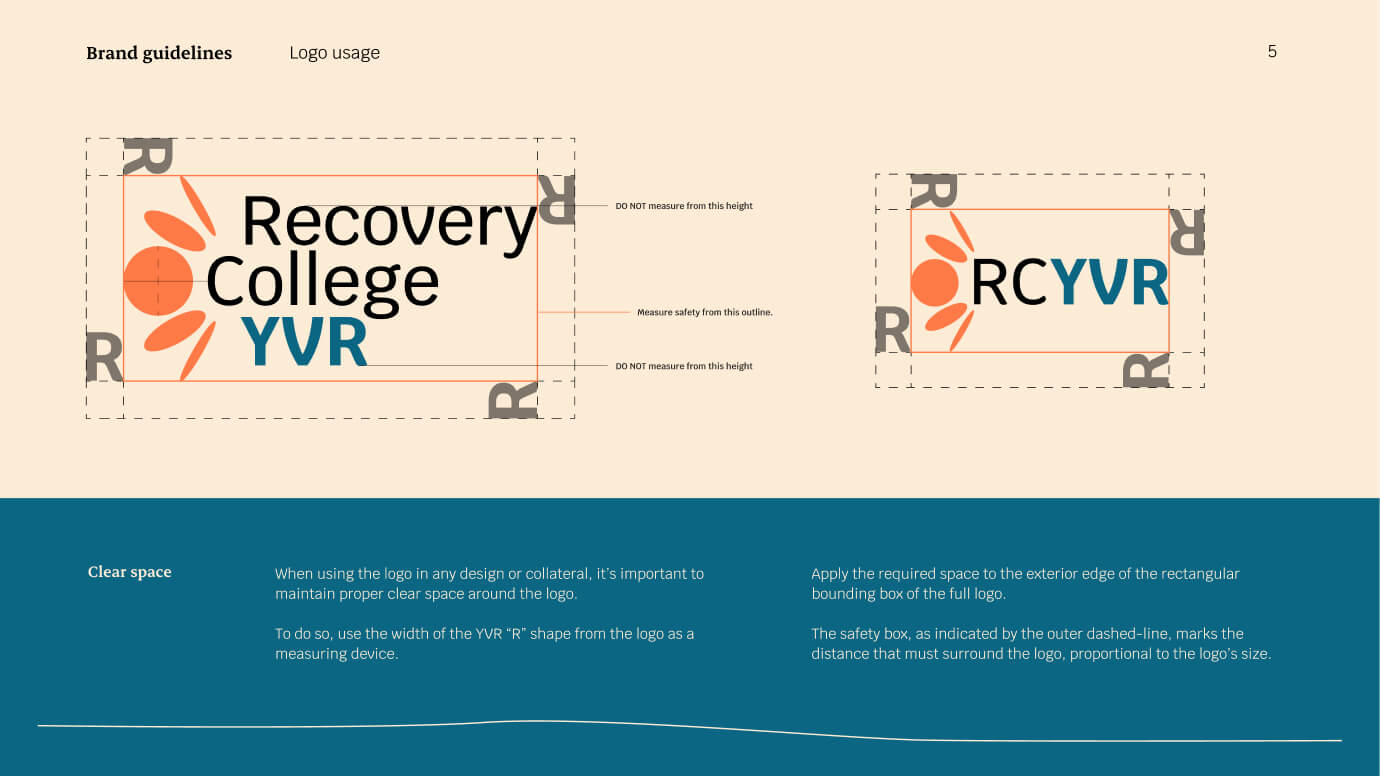
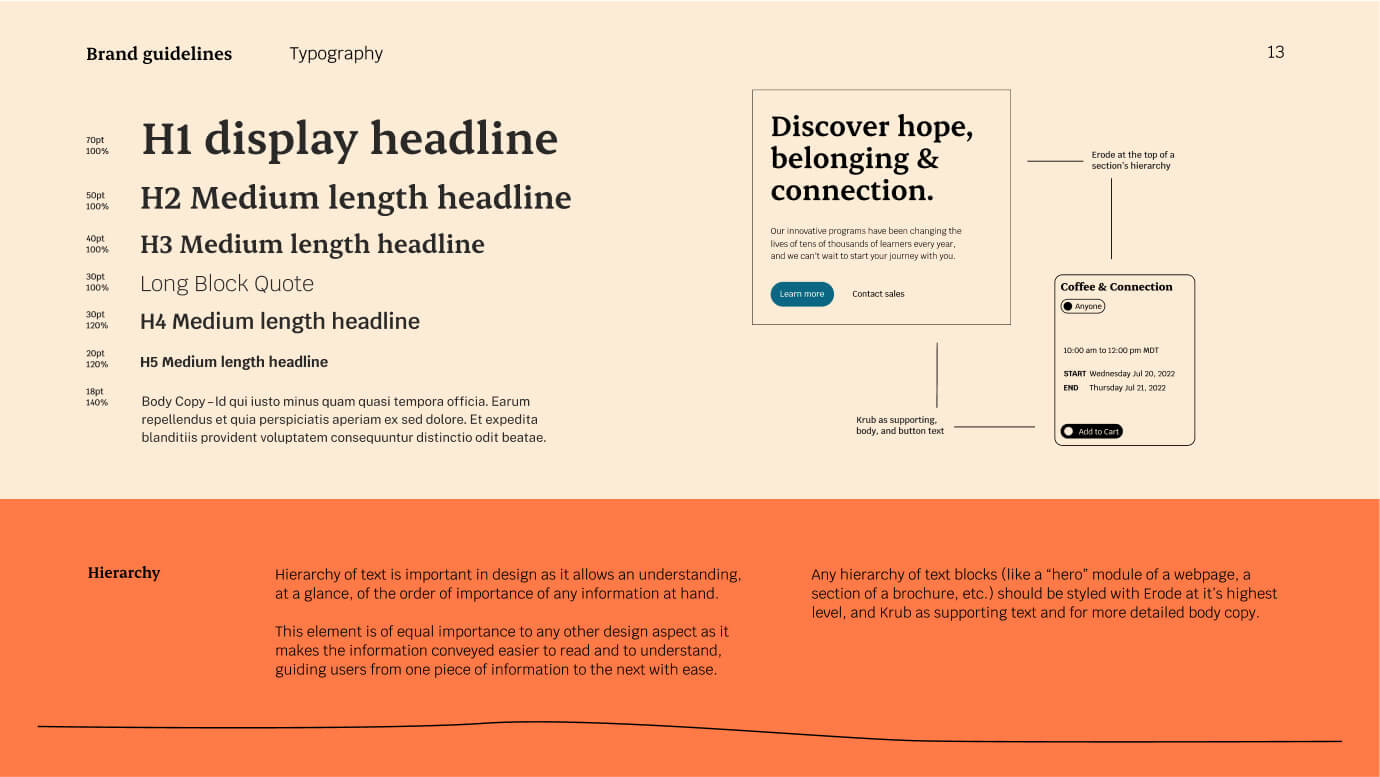
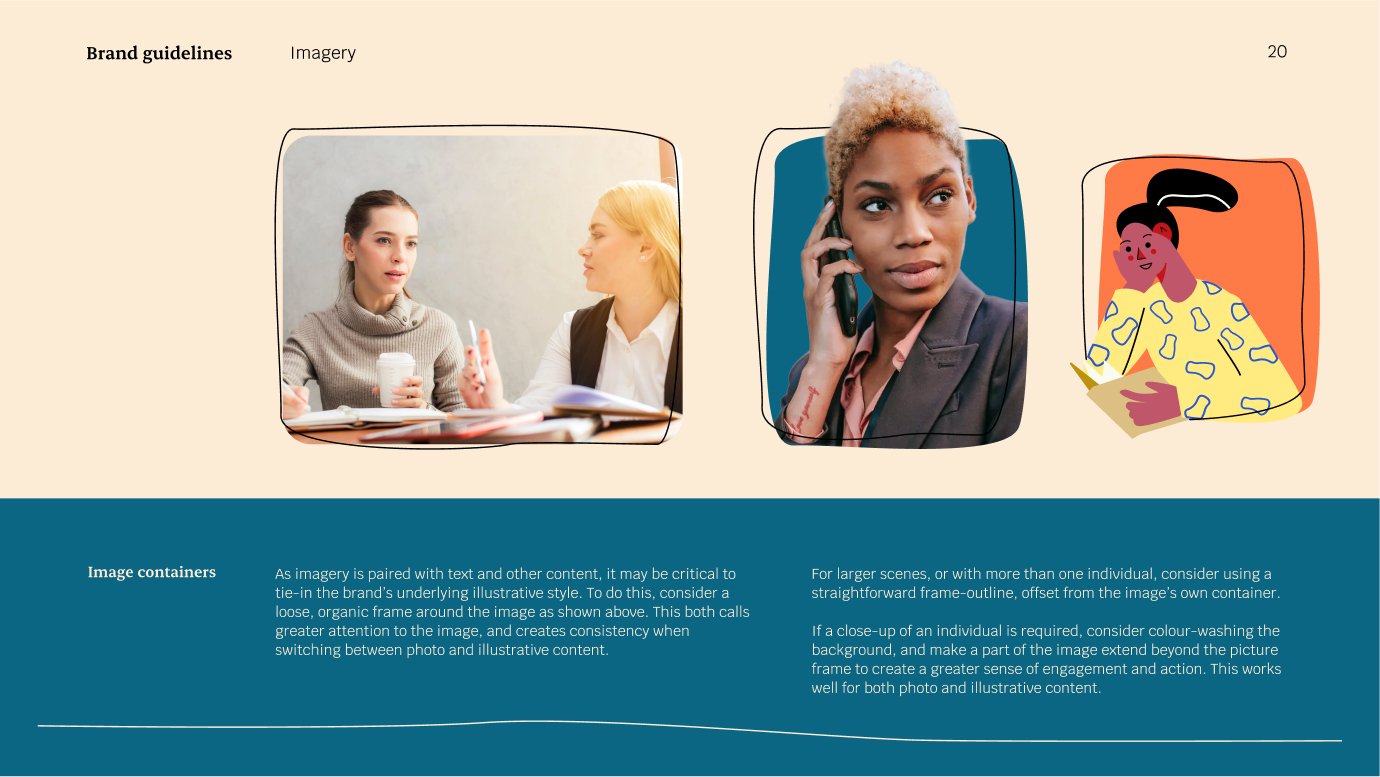
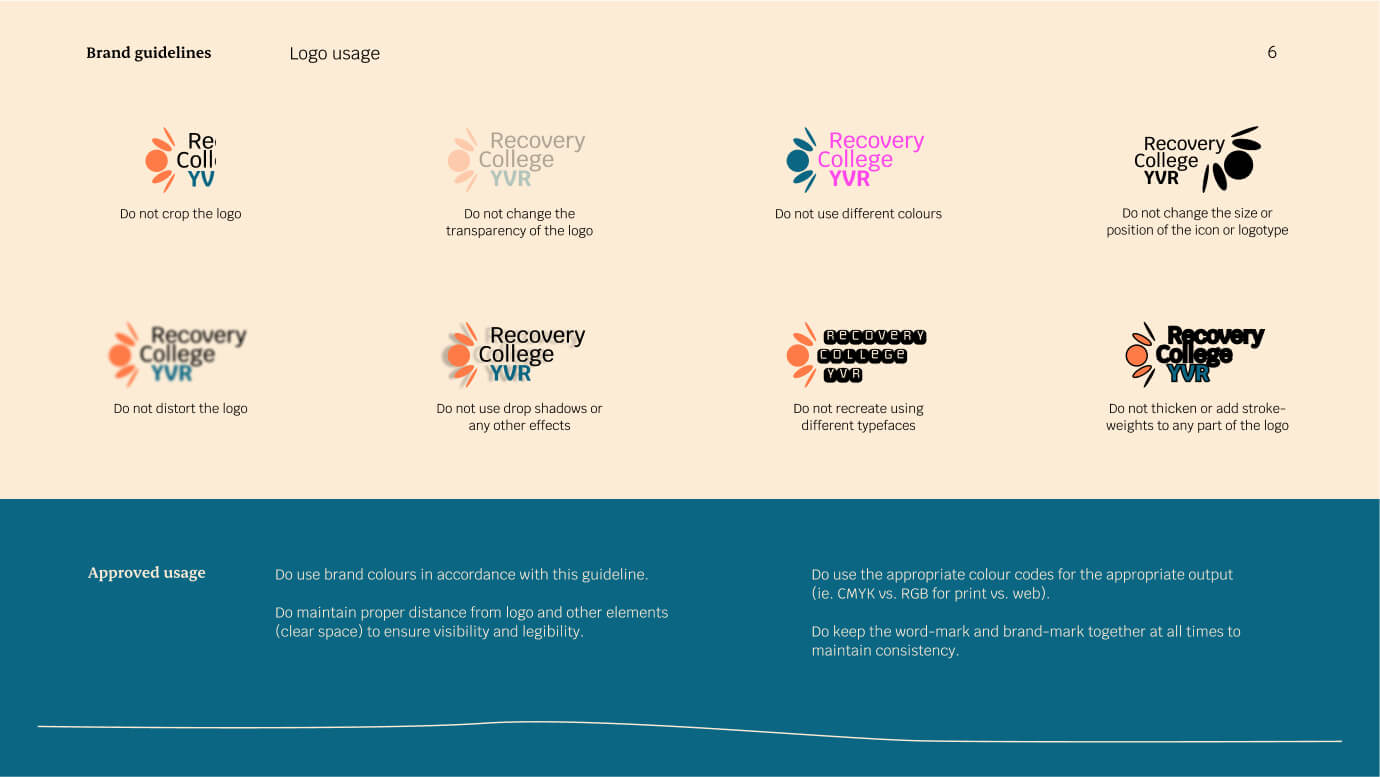
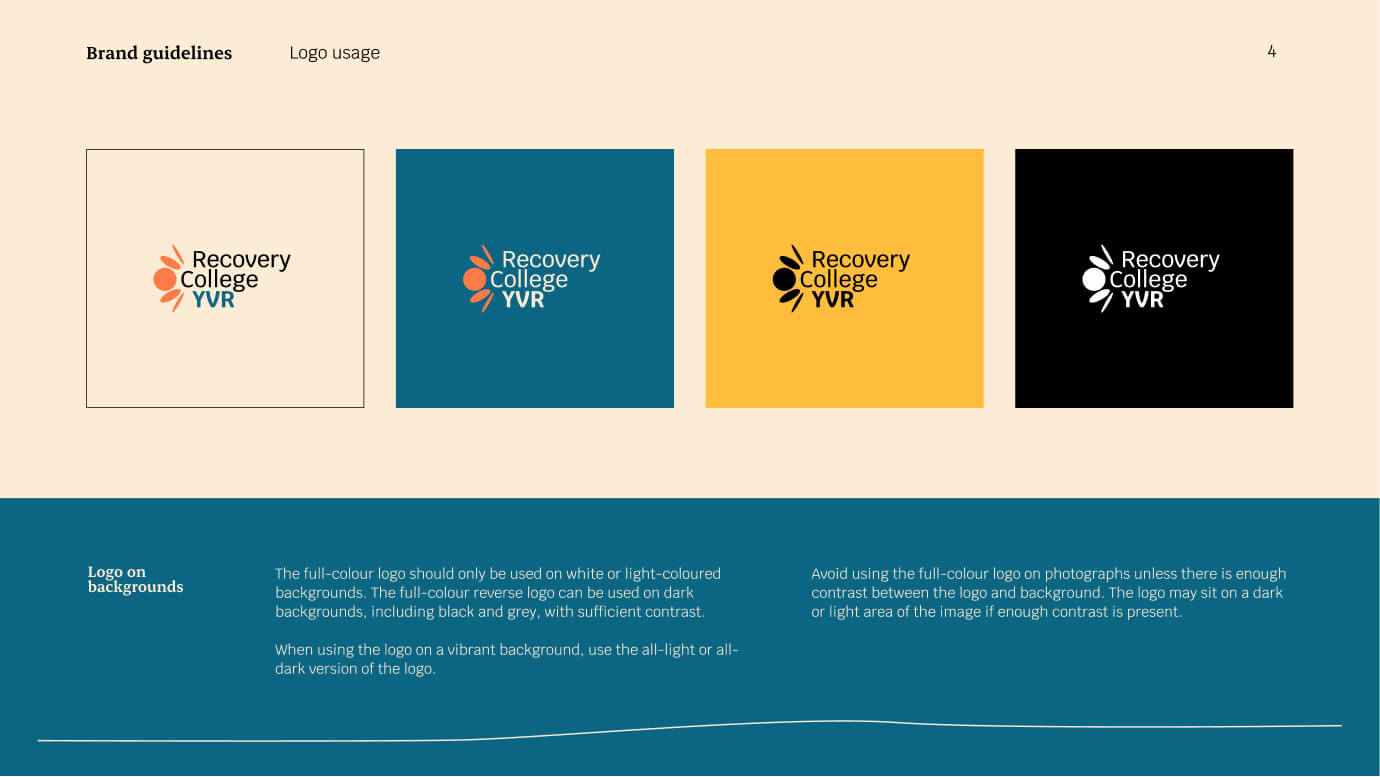
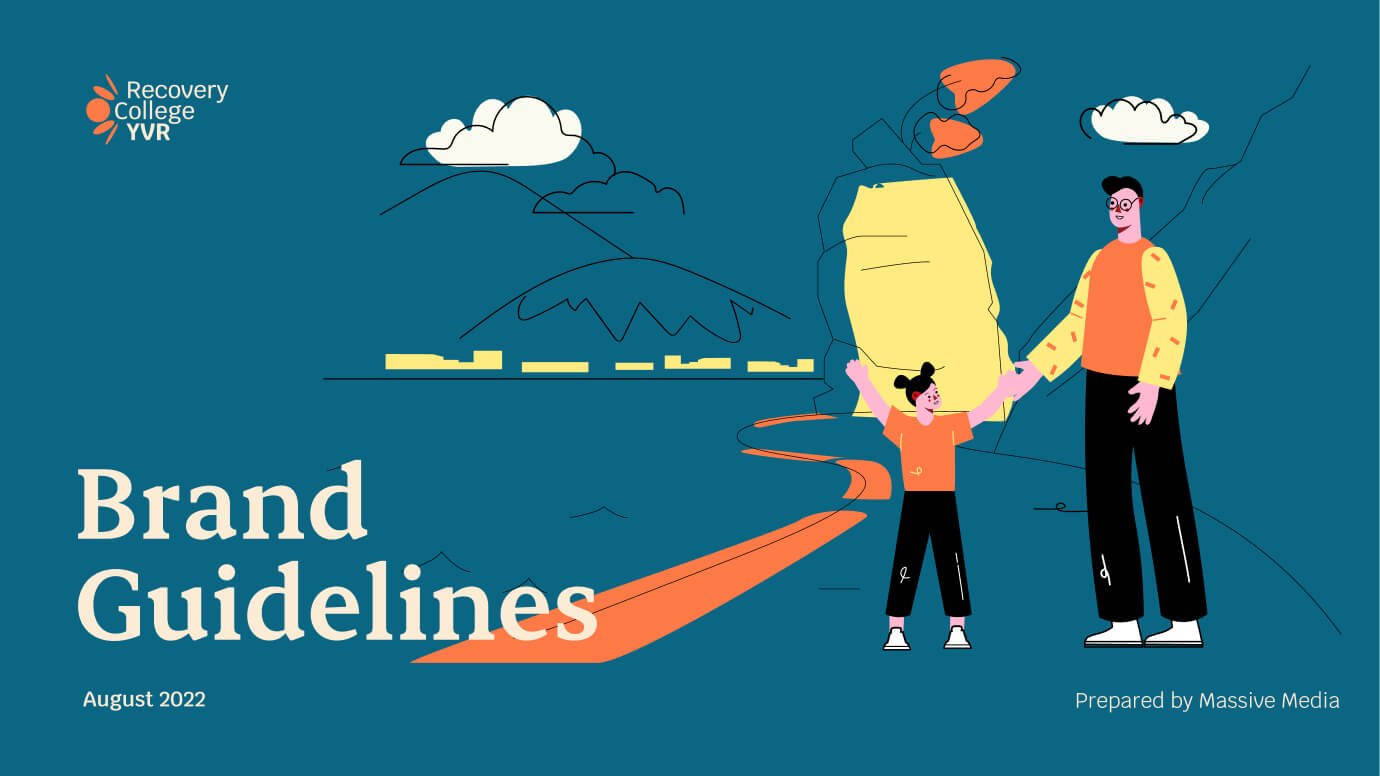
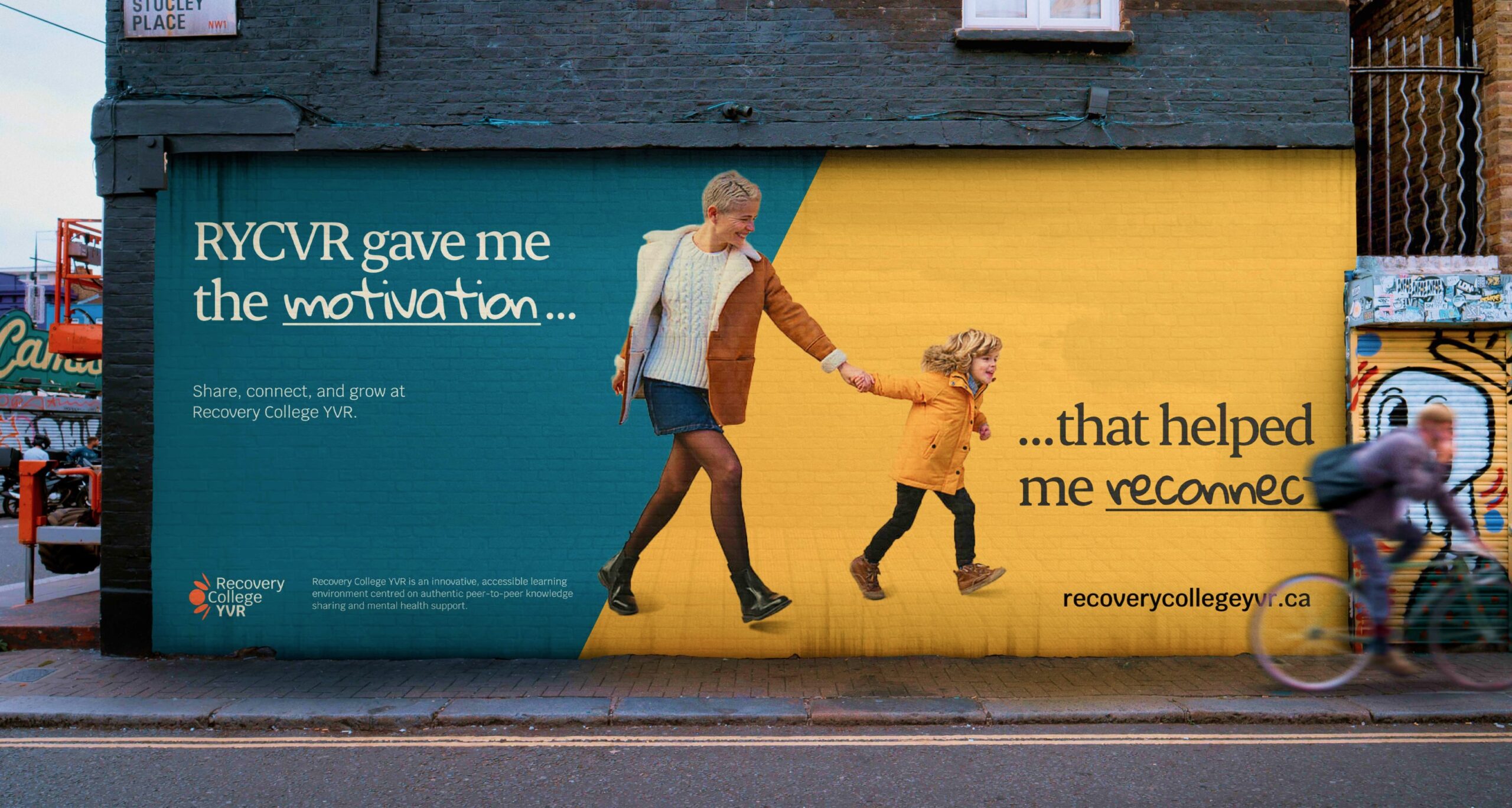
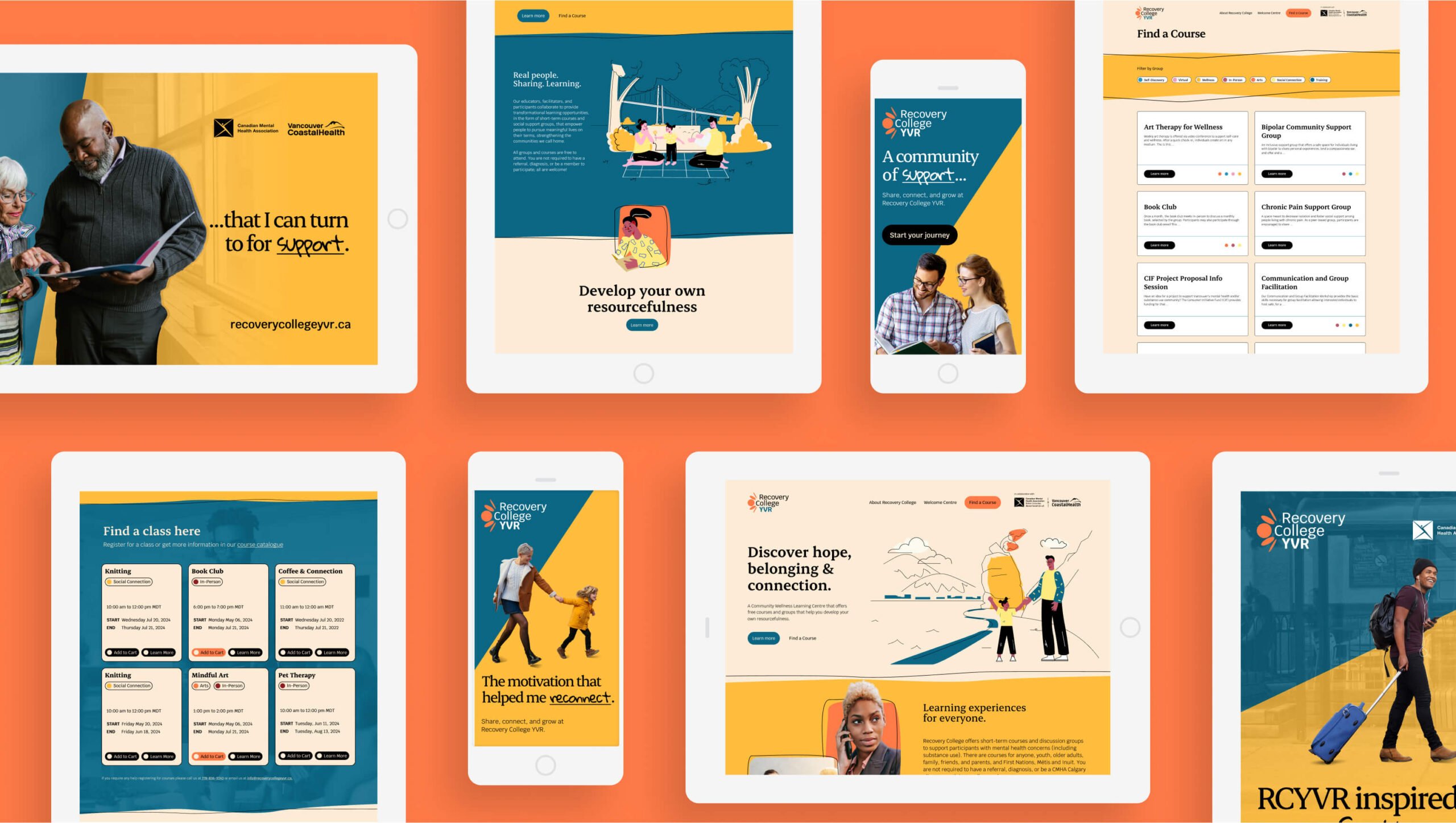
We developed a brand guide that encapsulated the essence of RC YVR, outlining the visual and tonal direction for all future communications. The narrative “Real people. Sharing. Learning.” became the brand’s rallying cry, encapsulating the college’s commitment to community-based education and the transformative power of shared learning experiences. This identity wasn’t just about looking good—it was about creating a brand that felt real, relevant, and resonant to those it aimed to serve.

Every element, from the logo to the campaign materials, was intentionally crafted to enhance accessibility and facilitate engagement, ensuring that RC YVR’s identity was as inclusive and empowering as the community it serves.


Transforming Mental Health Support: A New Paradigm

The result of our strategic partnership was more than just a visual refresh. Together, we helped shape an educational model that bridges professional expertise with lived experiences, creating courses and workshops that are relevant, empowering, and essential for fostering a resilient, connected community.

This new brand identity stands as a symbol of hope and resilience, reflecting the true spirit of RC YVR—a place where recovery and learning go hand-in-hand, and where every individual is welcomed as both a student and a teacher. With a strong foundation in place, Recovery College YVR is now better equipped to address significant gaps in the mental health and substance use system, reaching people in settings where traditional services are often inaccessible.

RESULTS

A New Chapter in Mental Health Support

Our work with RC YVR showcases the impact of a brand built on inclusivity, creativity, and strategic partnership. Together, we’ve redefined what it means to support mental wellness in the community, marking a new chapter in mental health support that celebrates diversity, embraces lived experience, and empowers individuals on their path to recovery.

Visit the Recovery College YVR website: recoverycollegeyvr.ca

Related Projects

VIEW ALL CASE STUDIES

Frequently Asked Questions

Common questions about healthcare website projects, answered from experience.

What makes a healthcare brand strategy different from branding in other sectors?

A healthcare brand strategy has to earn trust before it can earn attention. Patients, caregivers, partners, and referring professionals, for example, expect signals of safety, credibility, competence, and care, often while navigating stress, uncertainty, or highly personal decisions.

Our approach starts with the organization’s specific trust-building architecture: who the key audiences are, what reassurance looks like for each, and where perception is misaligned with reality. That work is grounded in research, whether that means stakeholder interviews and value-definition workshops, competitive review, audience and behaviour analysis, or a bespoke combination of these mechanisms, depending on the project’s unique goals and context.

It also means recognizing that “healthcare” is not a single audience or emotional context. Recovery College YVR needed a brand that felt inclusive, real, and community-led, as opposed to clinical or institutional, which led to the narrative “Real people. Sharing. Learning.” Community Action Initiative, by contrast, needed brand strategy and messaging that clarified its mission and distinct role in British Columbia’s mental health and addiction landscape after confusion around its name and purpose. For Medtronic Labs, that meant using workshops and stakeholder interviews to clarify core values such as pioneering, collaboration, and empathy for a global health innovation organization.

The common thread is that healthcare branding works best when it translates complexity into trust, and when the strategy is precise enough to reflect how people actually experience care, support, solutions, and/or wellness.
How do you build a healthcare brand that serves multiple, very different audiences?

Most healthcare organizations serve several audiences simultaneously: patients, clinicians, caregivers, funders, referral partners. The brand has to work for all of them.

Most healthcare brand work fails here because it’s either built for one audience and ignored by the others, or diluted into something too generic to connect with anyone. We solve this by mapping each audience before we touch the brand: what questions they’re asking, what emotional state they’re in, what proof points move them.

From there, we build a core position that holds across all groups, paired with a messaging framework that shifts tone, emphasis, and evidence by audience without fracturing the identity underneath.

The information architecture follows the same logic, giving each audience a distinct pathway to the content that matters to them. We’ve applied this approach across organizations like Prenuvo and CMHA North + West Vancouver, each with very different audience configurations but the same underlying challenge.

How do you communicate clinical credibility without making a healthcare brand feel cold or inaccessible?

Clinical credibility comes from specificity, not jargon: naming what a service does and what outcomes it produces in language real people can follow. Warmth comes from how the brand frames that science in relation to the person receiving care. When both work together, clinical detail actually makes the brand feel more human, because it signals that the organization takes its patients seriously enough to be precise.

In practice, this shapes decisions across the entire brand system: messaging hierarchy, visual tone, typography, imagery, and the language used in patient-facing content. The goal is never to strip out the science. It’s to make the science feel like it belongs to the patient, not just the clinician.

We’ve navigated this tension across very different healthcare contexts, from Medtronic LABS (global health innovation speaking to government partners and underserved communities) to Evergreen MD Aesthetics (a physician-led cosmetic clinic in a crowded consumer market).

When should a healthcare organization consider a rebrand?

A healthcare organization should consider a rebrand when there’s a meaningful gap between what the organization has become and what its brand communicates.

That gap shows up as difficulty recruiting staff who don’t recognize the organization from its public presence, patient confusion about available services, fragmented brand architecture after a merger or expansion, or a strategic pivot the existing identity can’t carry.

A rebrand isn’t always the answer, though. Sometimes the issue is messaging clarity or visual consistency, not positioning. We start by diagnosing which problem actually exists before recommending scope.

The work we did with CMHA North + West Vancouver was a structural and digital overhaul, not a repositioning. The work with Community Action Initiative required a full brand strategy and visual identity because stakeholders were confused about the organization’s name, mission, and distinct role. Two different diagnoses, two different scopes.